

“Houston, We Have Data”: Conference Showcases Data Solutions and Marks Project Completion

On 15–16 April, a two-day event organized by the State Data Agency (Statistics Lithuania) presented the results of the project “Integration of State Information Resources into the Data Lake, and discussed their practical application in the activities of public institutions. The event brought together representatives from the public sector, local government, business, academia, and technology communities who work with data and use it in decision-making.
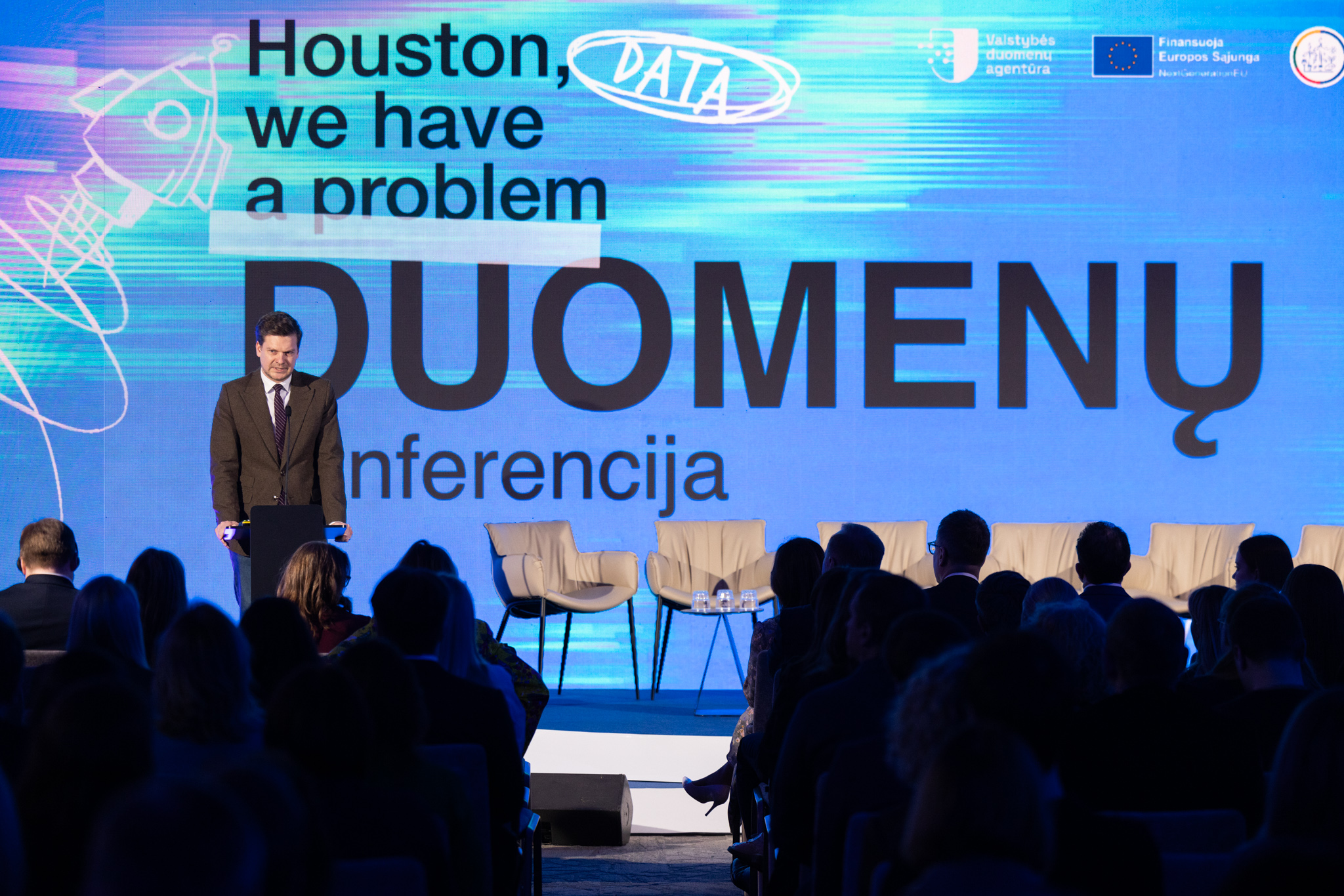
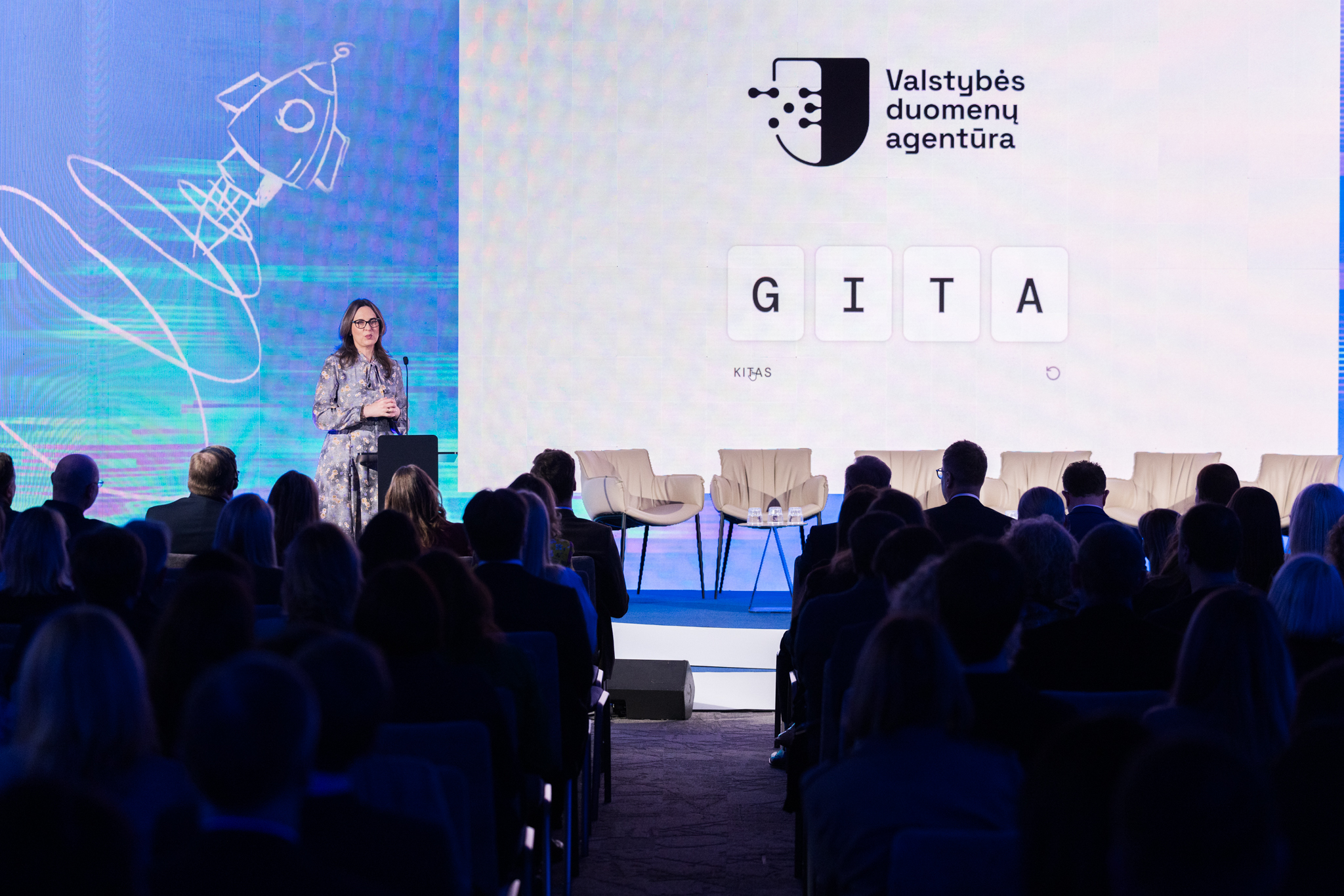
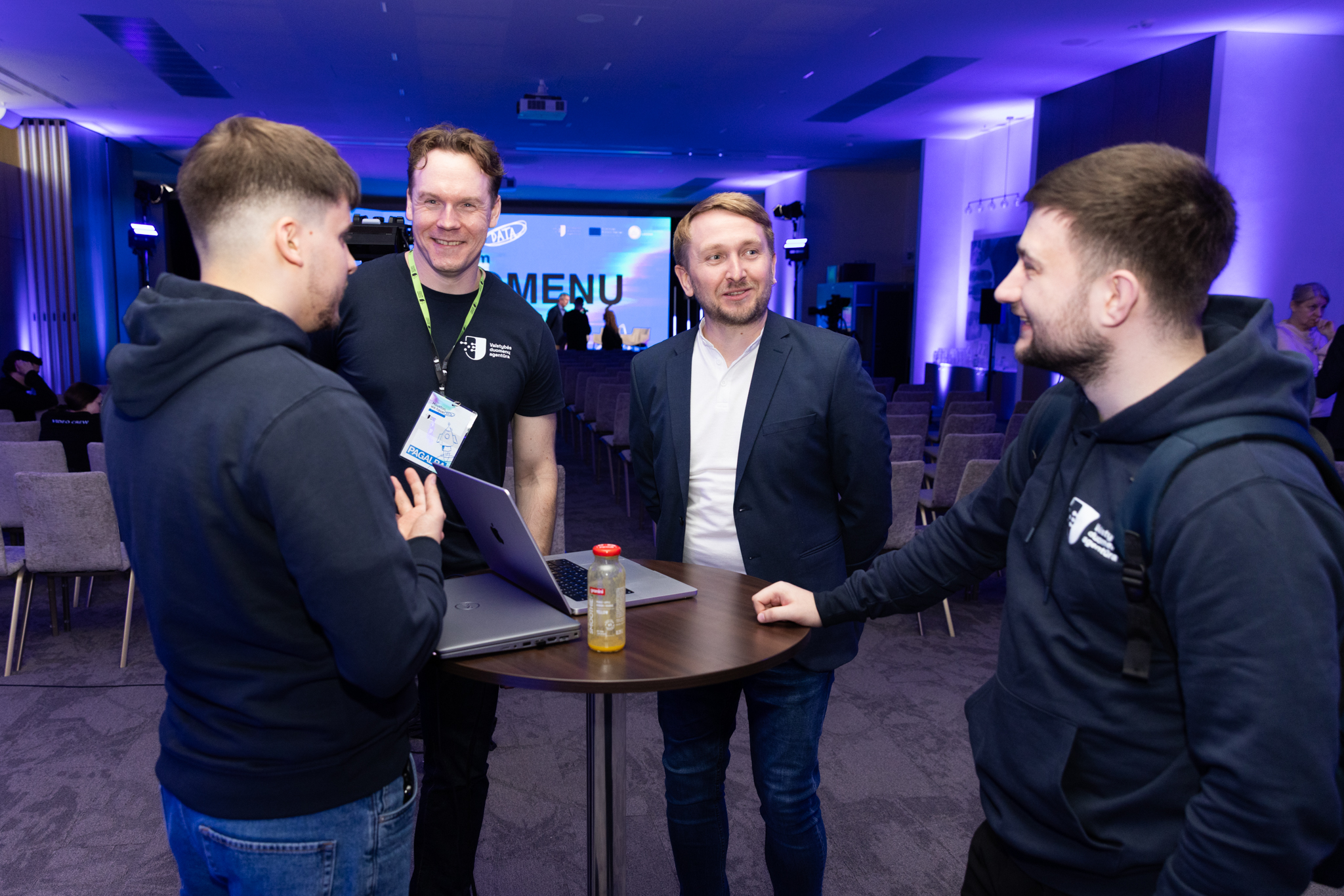
The program consisted of practical training sessions and the Conference. On the first day, “Savivaldos DataLab” “(Municipal DataLab”) training sessions were held for municipal representatives, while the second day featured the State Data Conference “Houston, We Have a Data”. The Conference presented solutions developed during the project, discussed key challenges, and explored future directions for the development of state data. The event became a symbolic conclusion of the project and marked the transition to the practical application of the developed solutions in state institutions.
Conference Speakers and Discussions
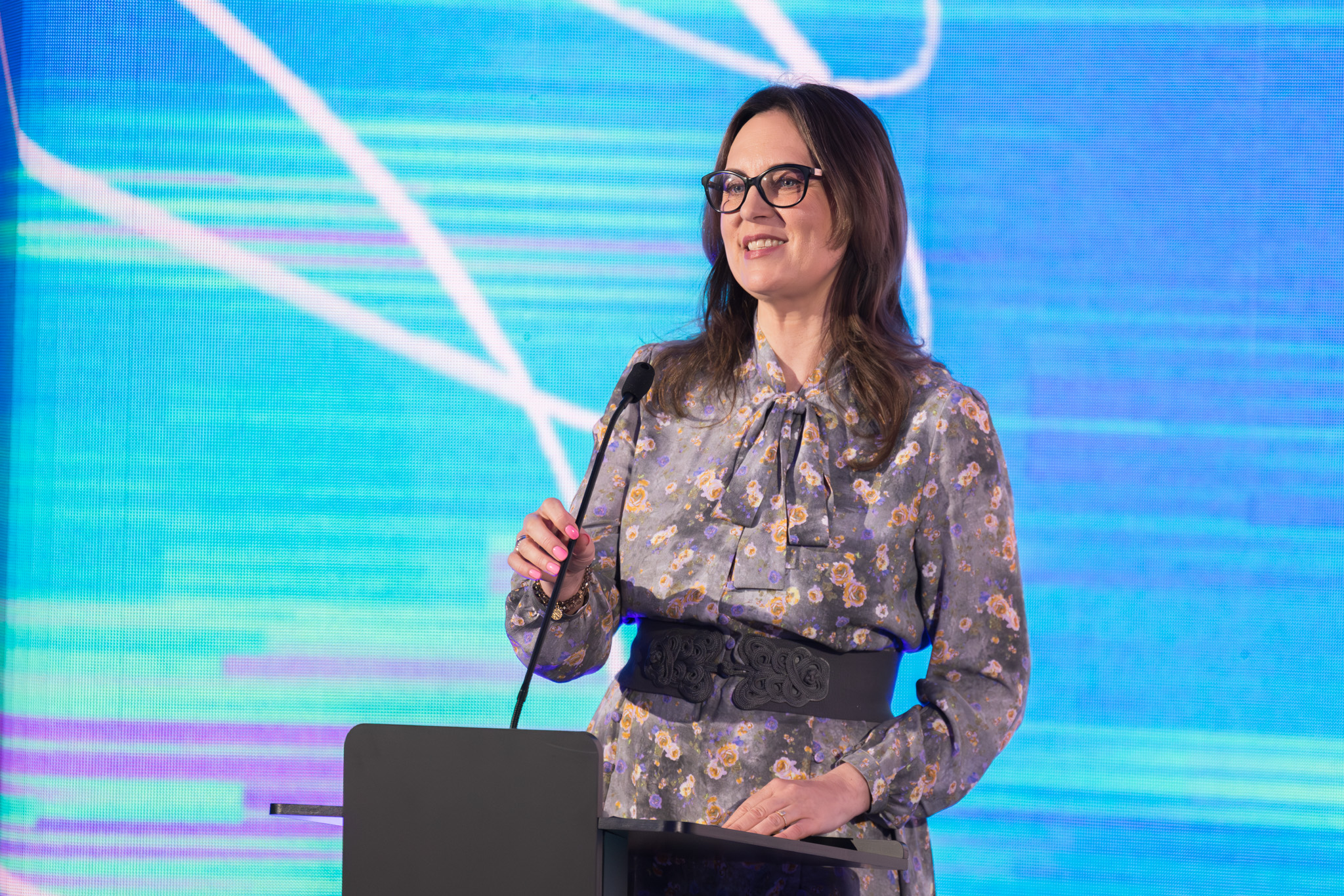
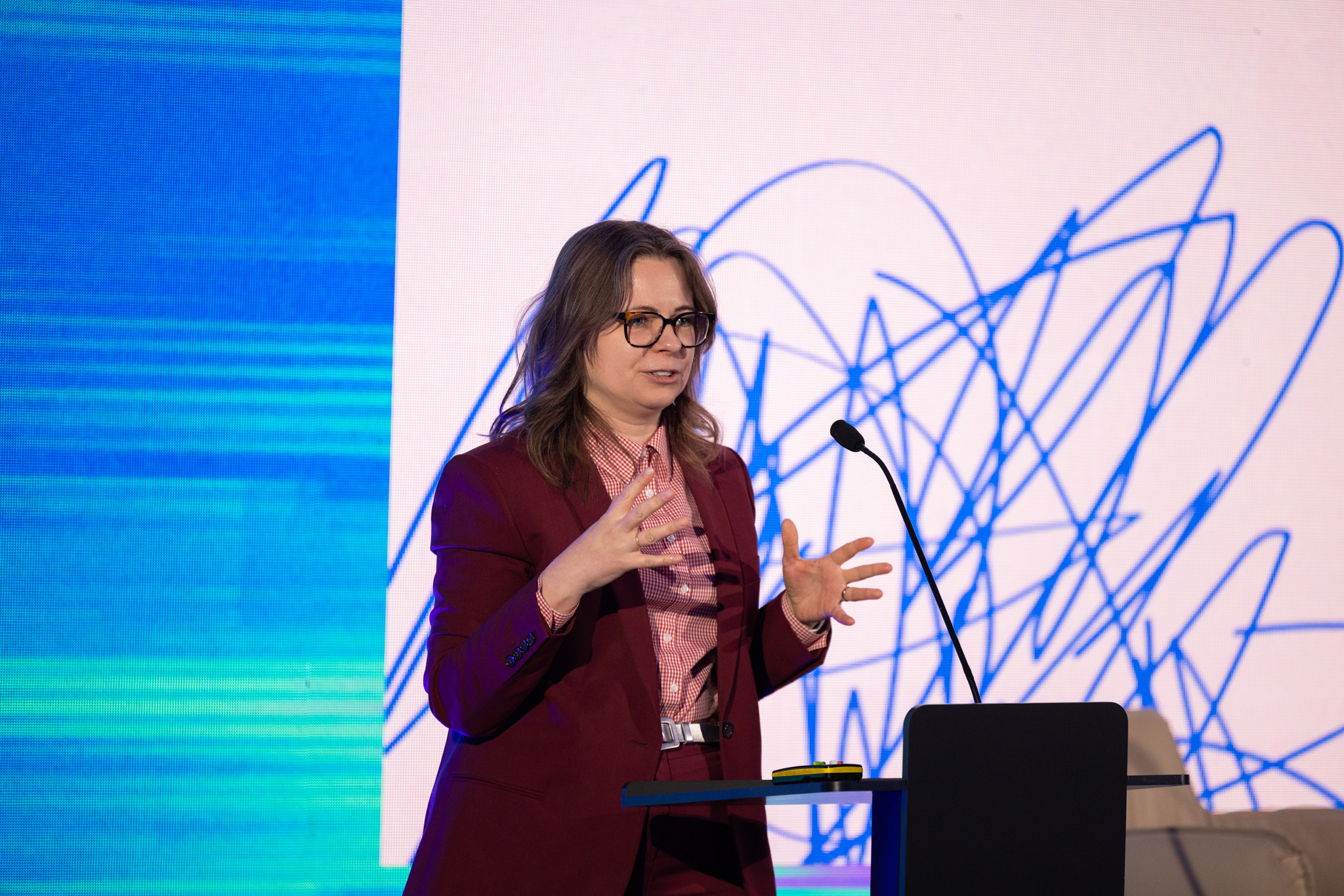
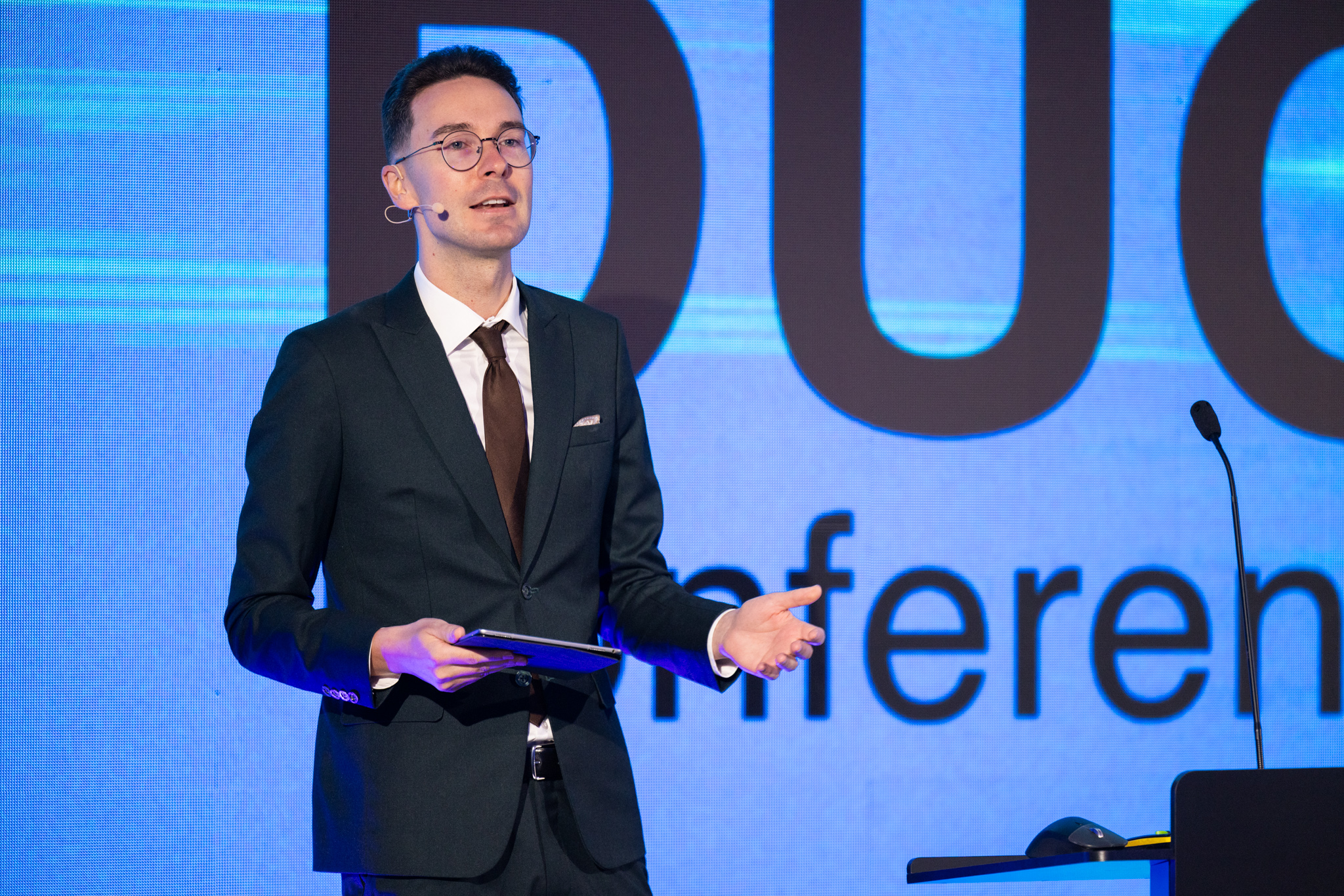
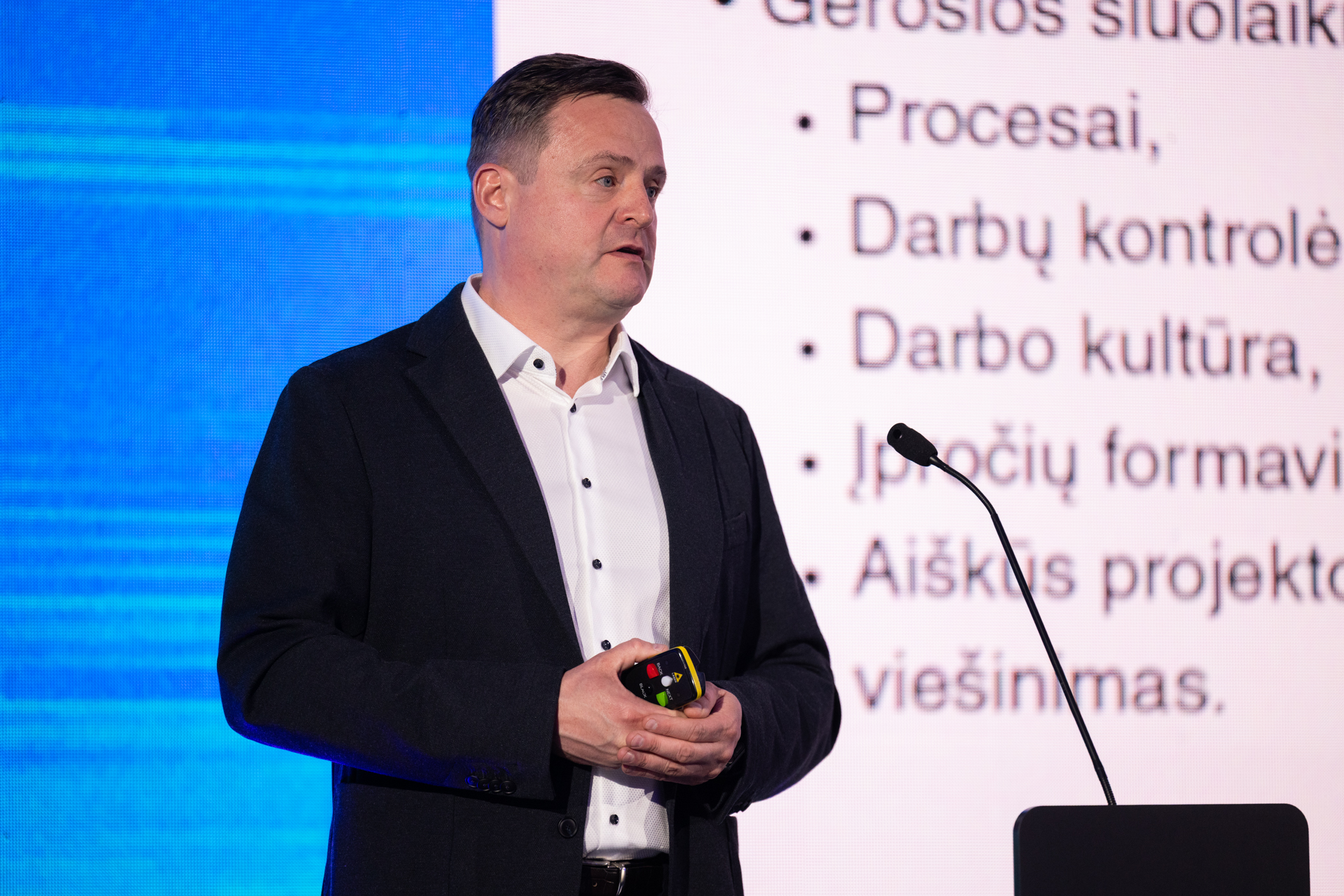
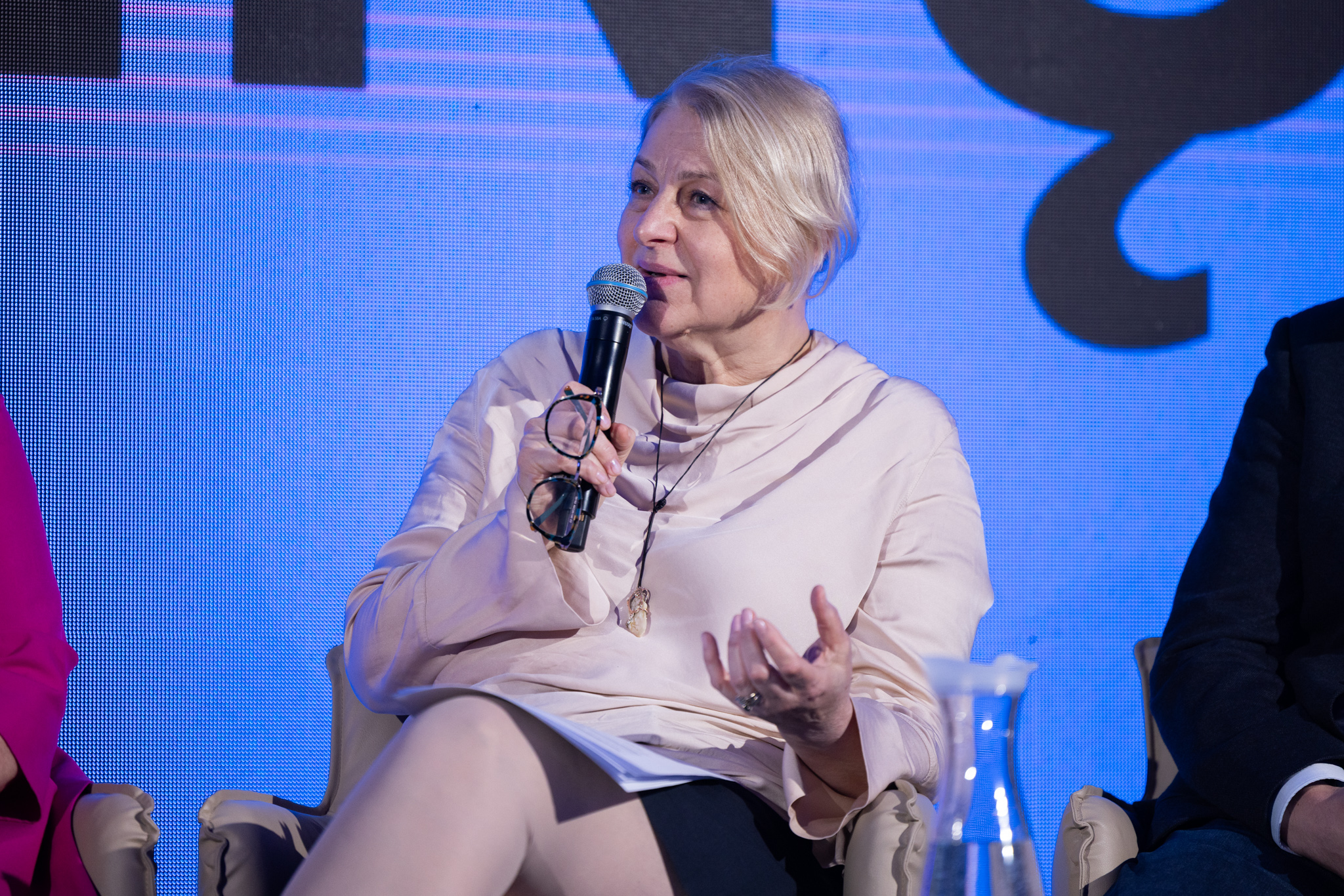
The Conference was attended by representatives of the public sector, business, and technology communities. Speakers included Dr Jūratė Petrauskienė, Director General of the State Data Agency, Eitvydas Bingelis, Chancellor of the Government of the Republic of Lithuania, data strategist Milda Aksamitauskienė, Laurynas Truncė, Head of the project “Integration of State Information Resources into the Data Lake”, and Arsen Makarchuk, Head of the State Statistics Service of Ukraine.
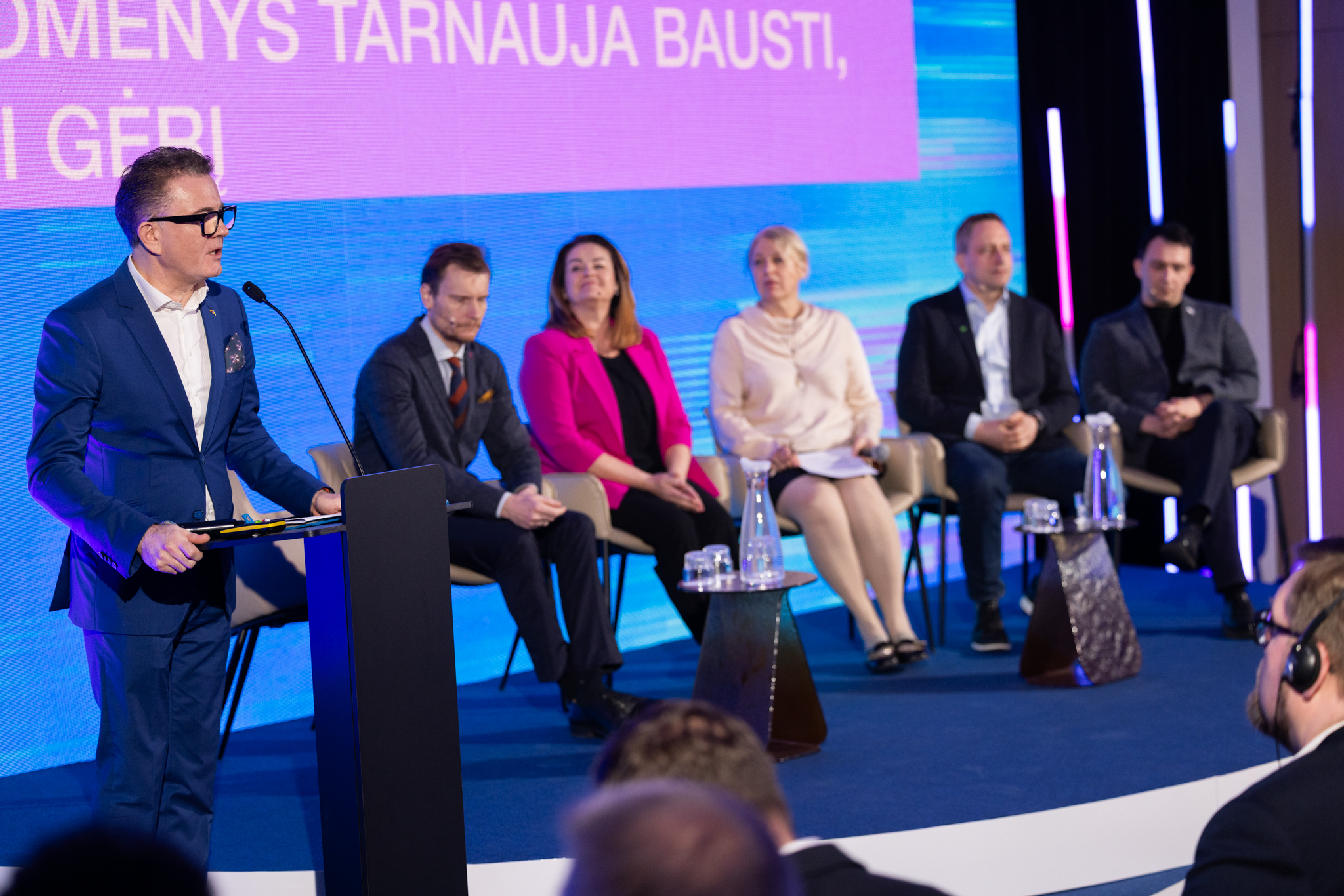
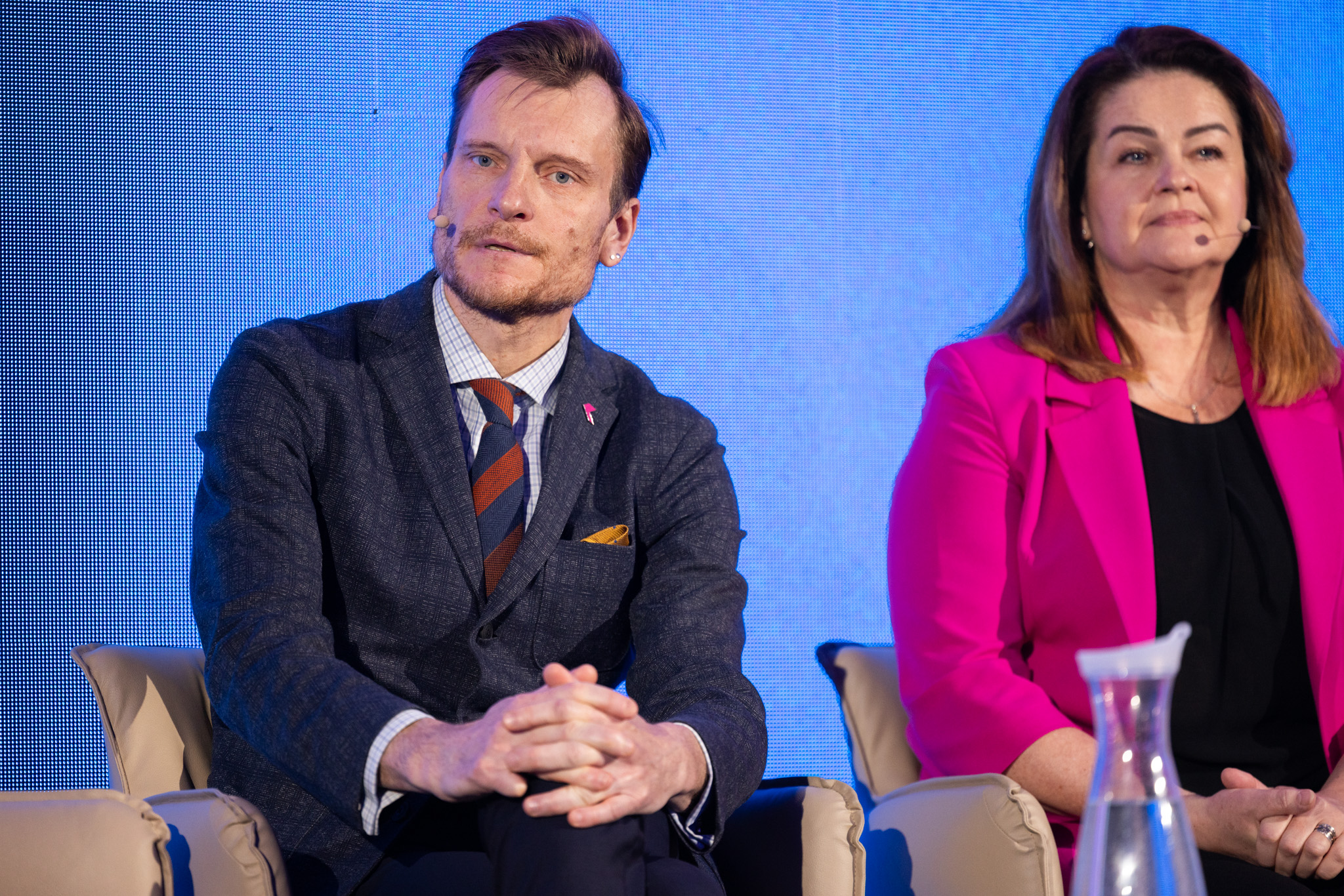
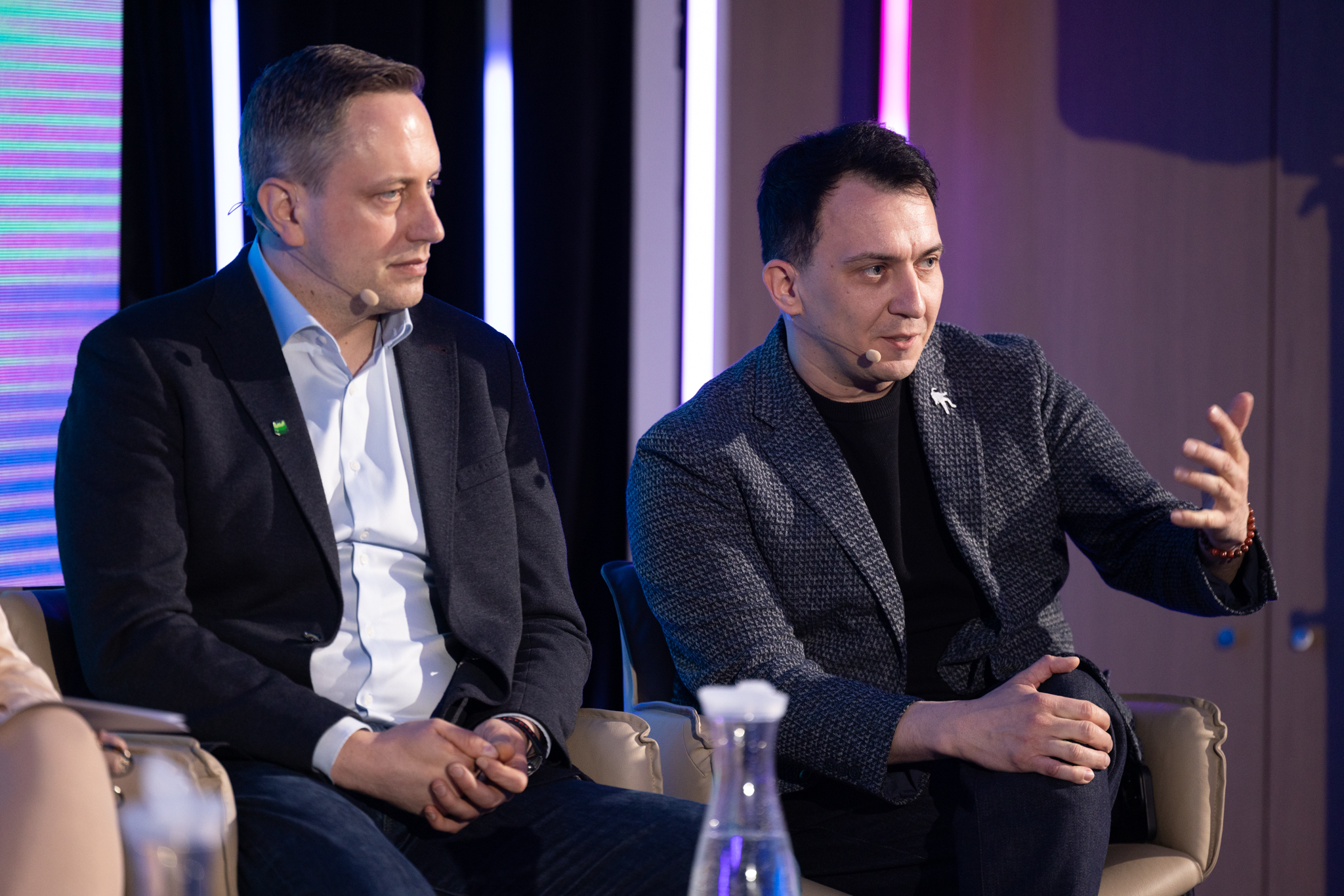
Discussions also featured experts from various fields, including Dalius Kazlauskas, Vilma Misiukonienė, Vaidas Paulauskis, Dalia Veličkaitė, Mindaugas Civilka, Dr Virgilijus Dirma, and others.
The Conference placed strong emphasis on practical issues: how to ensure data quality, how to share data more efficiently between institutions, and how to apply data in decision-making. Participants discussed what is already working well, challenges that remain, and solutions that are still needed.
Data: From Challenge to Solutions
During the Conference, it was emphasized that data in public governance is increasingly becoming an everyday working tool. In his speech, Eitvydas Bingelis, Chancellor of the Government of the Republic of Lithuania, highlighted:
“Where we once saw a problem, today we are creating an opportunity for a solution. Where we once saw fragmentation, today we are building a state data ecosystem, and where clarity was lacking, we are strengthening the state’s ability to act based on data.”
He also underscored that the data lake project contributes to a qualitatively new model of state governance, where decisions are based on data rather than fragmented information.
Dr Jūratė Petrauskienė, Director General of the State Data Agency, noted that the project’s results are already delivering real benefits:
“We have created a foundation that allows institutions to work with data within the same environment. This changes the very logic of decision-making – data becomes not supplementary information, but an essential part of decisions. Today, the most important task is to ensure that these solutions are widely applied and create real value.”
Data strategist Milda Aksamitauskienė emphasized practical value of the data ecosystem:
“The State Data Lake is not a bureaucratic construct; it is a bridge between institutions that hold data and those who need it: lawmakers, public sector analysts, researchers, businesses, and every citizen.
This project has shown that when municipalities start to systematically describe and manage their data, previously unseen opportunities emerge: from better decision-making to the creation of new public services. Now municipalities have the chance to turn these opportunities into a success story.”
Practical Solutions and Thematic Zones
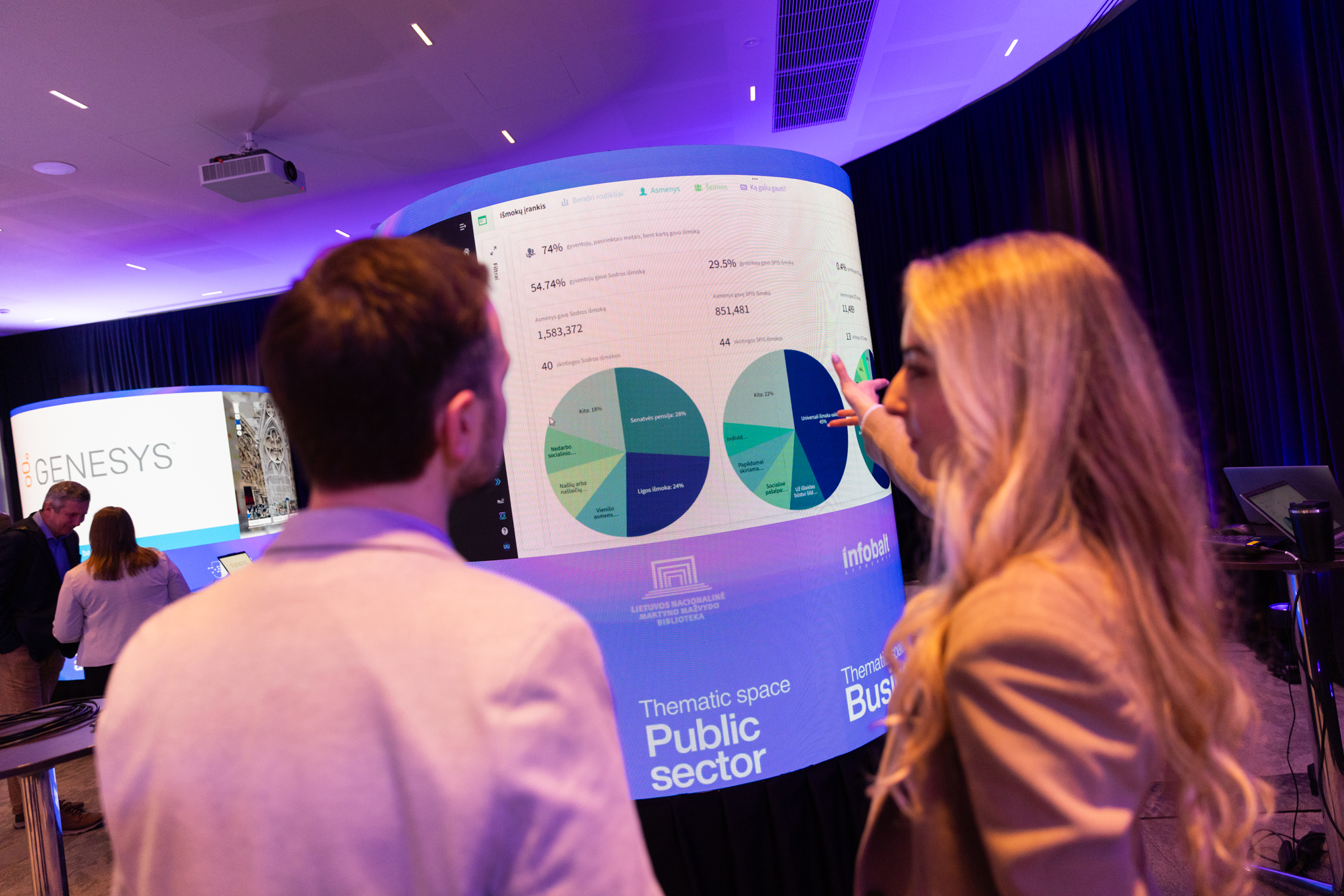
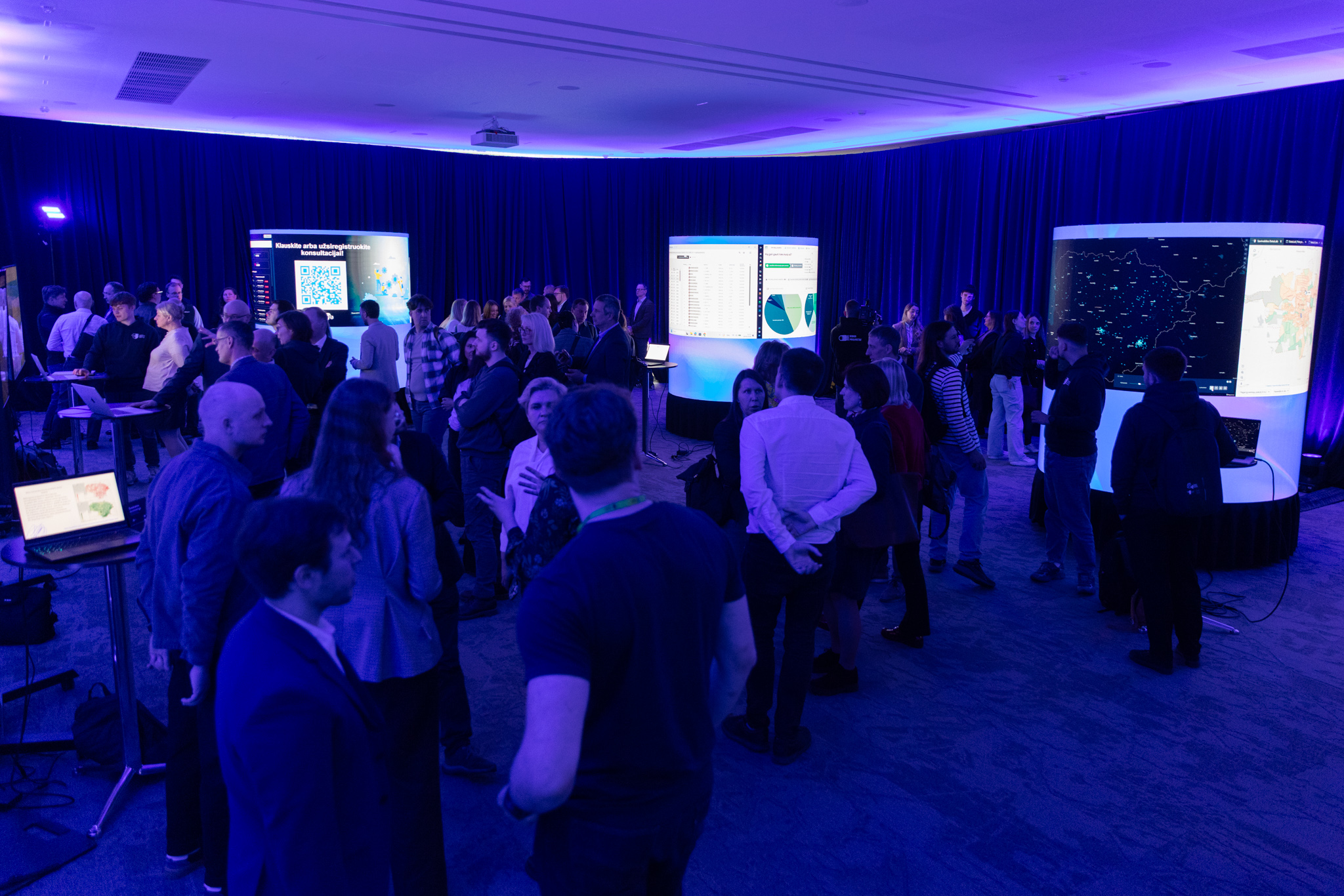
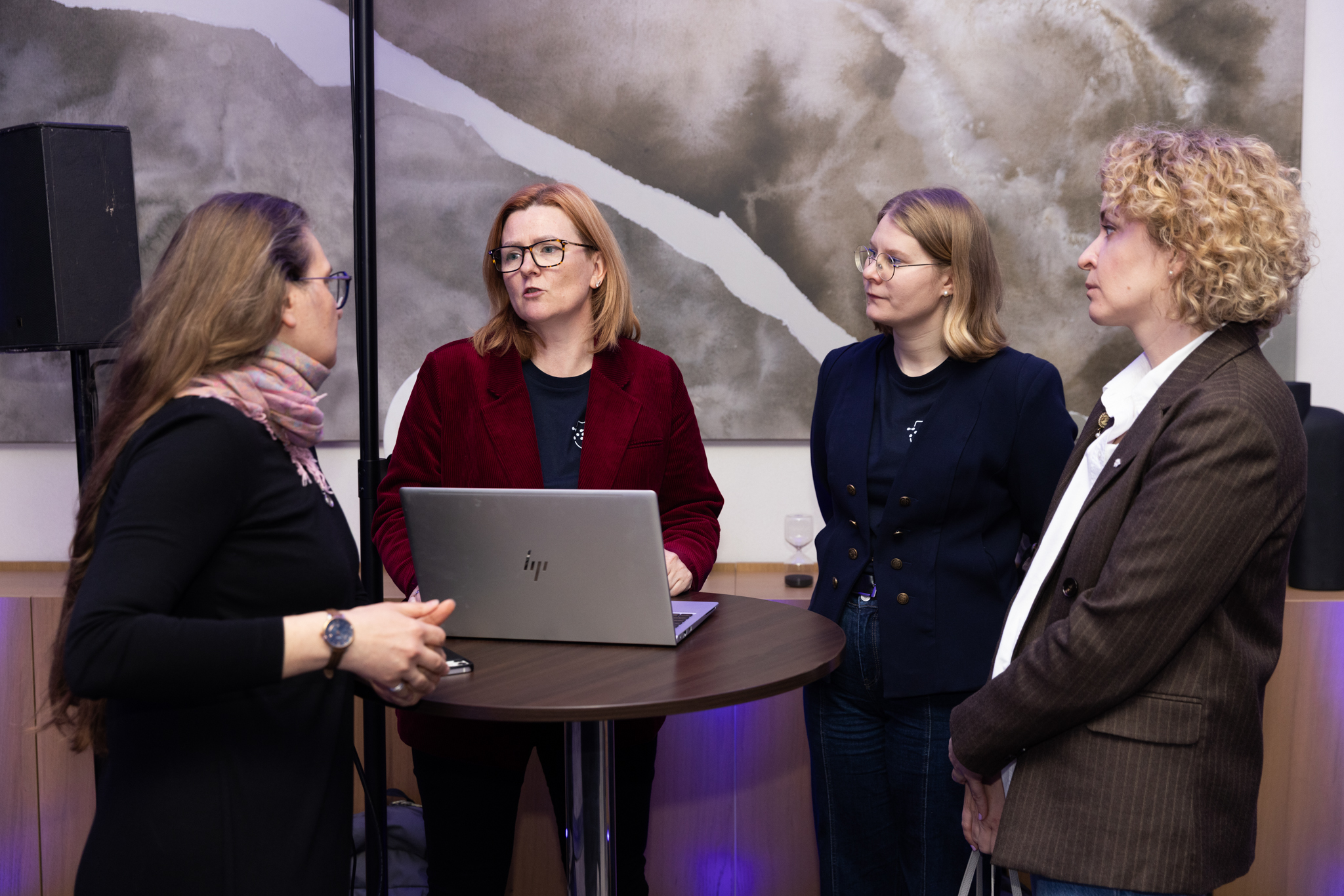
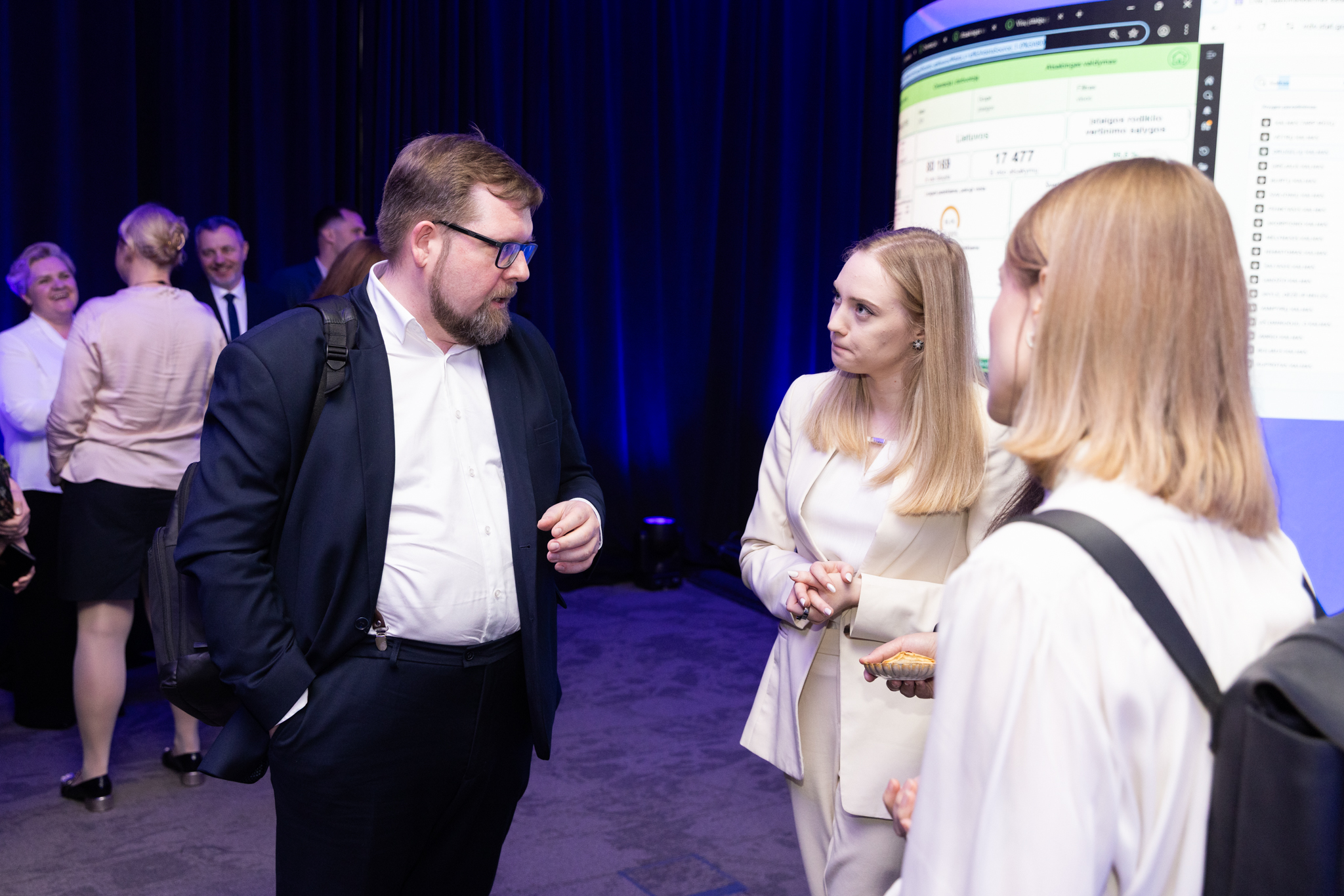
During the event, thematic zones were set up to showcase specific solutions developed within the project and already being applied in practice.
In the public sector zone, solutions for social security, healthcare, and other areas were presented, while the business zone featured technological solutions and analytical tools adapted for use in the public sector.
Specialized thematic zones were also organized:
- Regional zone – discussions focused on the application of data-driven solutions in local government, from urban planning to service improvement.
- Artificial intelligence zone – showcased forecasting models and automated solutions.
- Open data zone – introduced state open data solutions and examples of high-maturity open data.
- Health data zone – presented opportunities for secondary use of data, ranging from policymaking to scientific research and innovation.
Savivaldos DataLab Training
On the first day of the event, Savivaldos DataLab training sessions were held for municipal specialists. During the training, participants worked with the data infrastructure developed within the project, and analyzed real datasets.
Sessions focused on education, civil protection, demography, and social services – examining student flows and attendance, population changes, preparedness for emergency situations, as well as service demand and accessibility. Training was oriented toward the practical use of data and decision-making at the municipal level.
Project Results and Further Development
The Conference summarized the results of the project “Integration of State Information Resources into the Data Lake,” revealing significant progress in the field of state data.
Today, concrete achievements can already be identified:
- more than 850 data connections created
- more than 1,400 metadata descriptions prepared
- 541 information resources partially opened
- over 600 cooperating institutions
- more than 500 information systems opened
These results demonstrate consistent integration of state data and their growing use in practice: for decision-making, risk identification, and innovation development.
The State Data Lake has already become a vibrant pool of information resources that creates real value for public governance, business, and society. The Conference marked a new stage – moving from solution development to their systematic application in practice, further development, and integration into everyday decision-making processes.
The project is funded by the European Union’s Recovery and Resilience Facility (RRF).
Presentations from the "Houston, We Have Data" data conference:
- Milda Aksamitauskienė – „Duomenų standartų akademija“
- Milda Aksamitauskienė – „Houston, we have 𝘴̶𝘵̶𝘶̶𝘧̶𝘧̶ staff“
- Laurynas Truncė – „Stuff / STAFF“
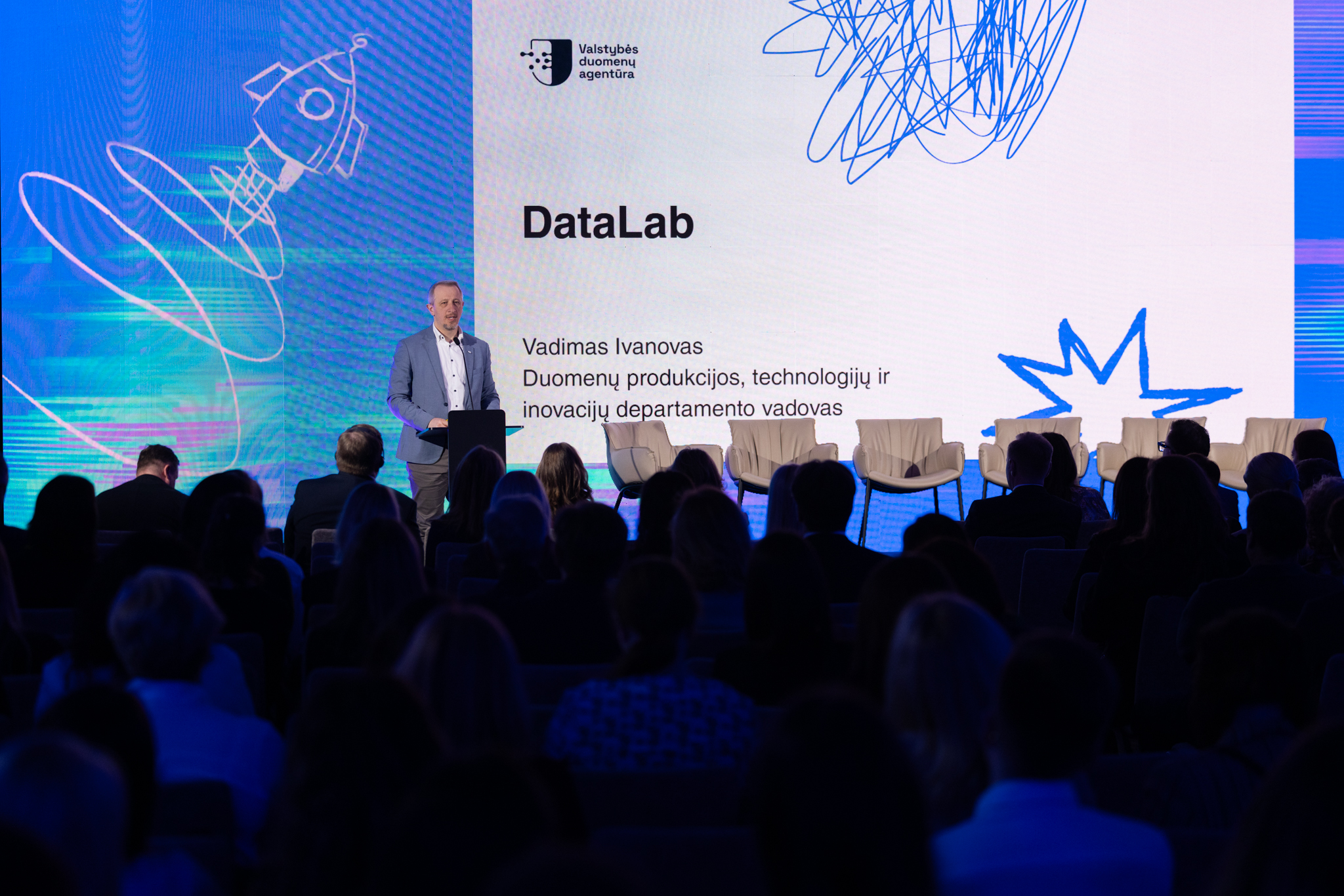
- Vadimas Ivanovas – „Datalab“
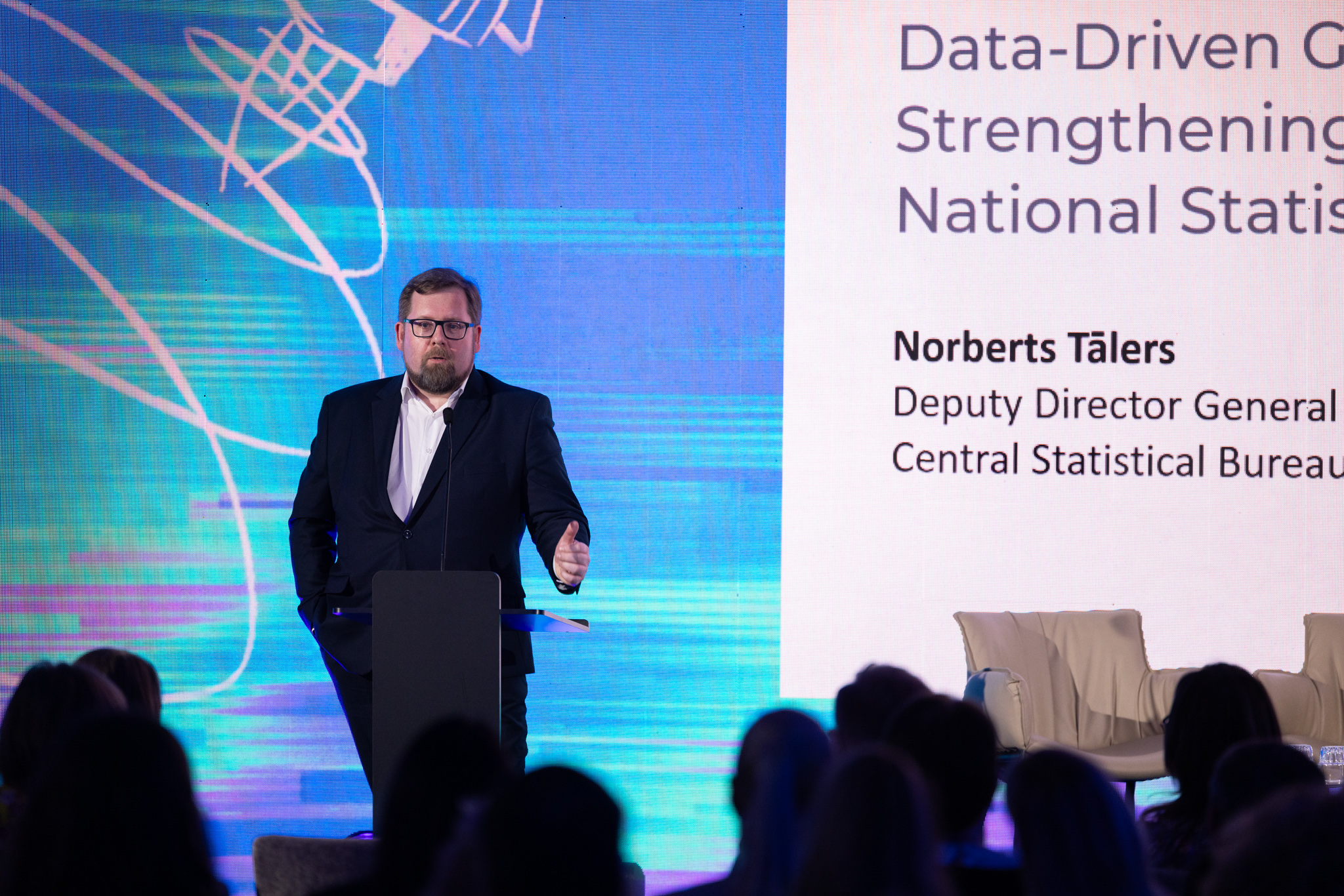
- Norbets Tālers – „Nuo duomenų integracijos iki duomenimis pagrįsto valdymo: Nacionalinės statistikos tarnybos vaidmens stiprinimas“
- Arsen Makarchuk – „Duomenų vertė dieną X“
Video from the "Houston, We Have Data" data conference.
You can find the full recording of the conference here.



Last updated: 24-04-2026
Related news:
Municipal DataLab Is Now Publicly Available to Everyone
On the Wall of the State Data Agency (Statistics Lithuania), the Bukantė Forest Has Grown
New Dashboard Highlights Suicide and Suicide Risk Trends in Lithuania
Successfully Completed ISO 27001 Surveillance Audit at the State Data Agency (Statistics Lithuania)