

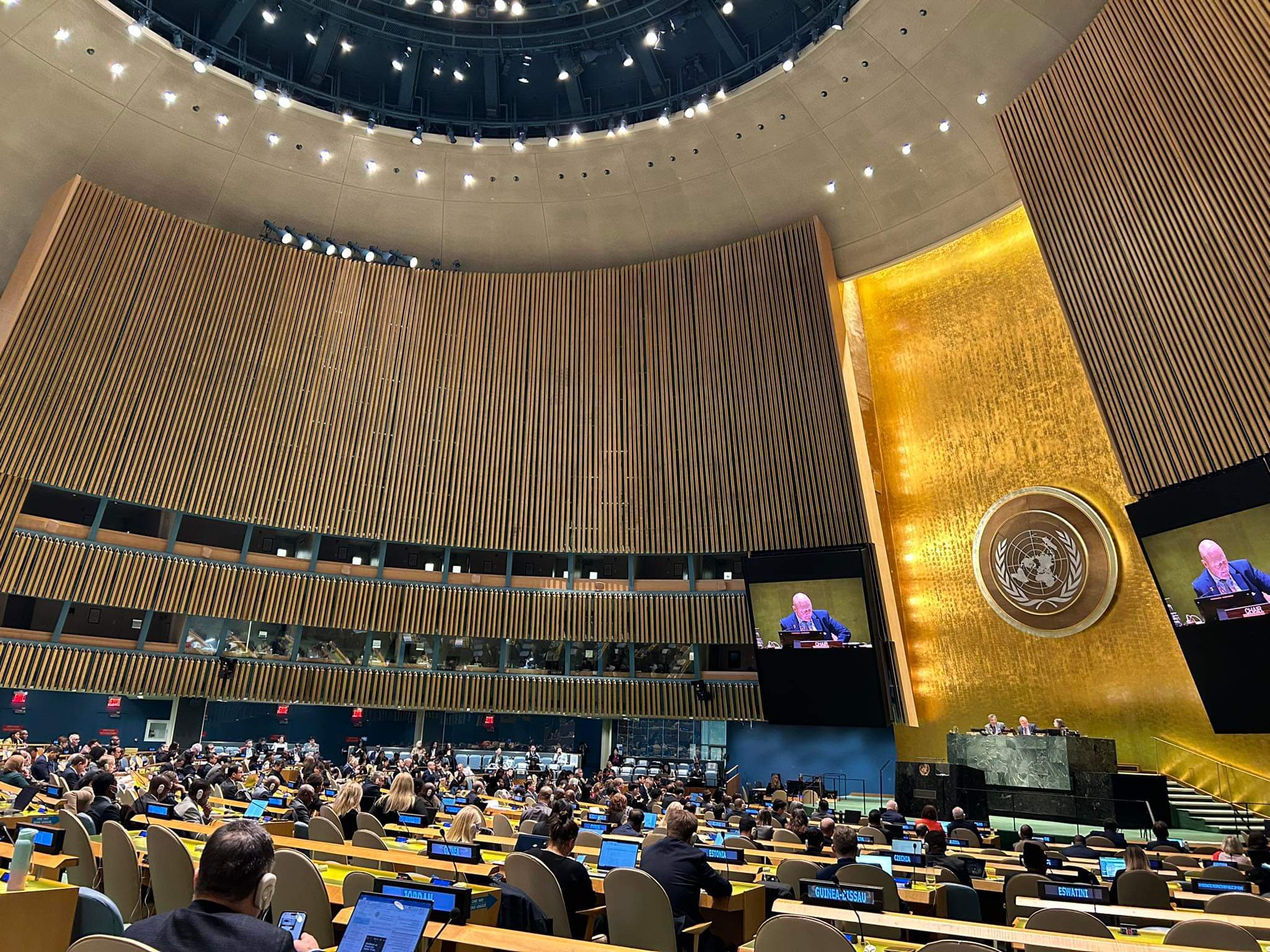
The 55th session of the United Nations Statistical Commission "Better Data. Better Lives" took place

Every year, in the last week of February, the global community of statistics gathers to discuss strategic issues of official statistics and agree on common priorities, approaches and principles at the session of the United Nations Statistical Commission.
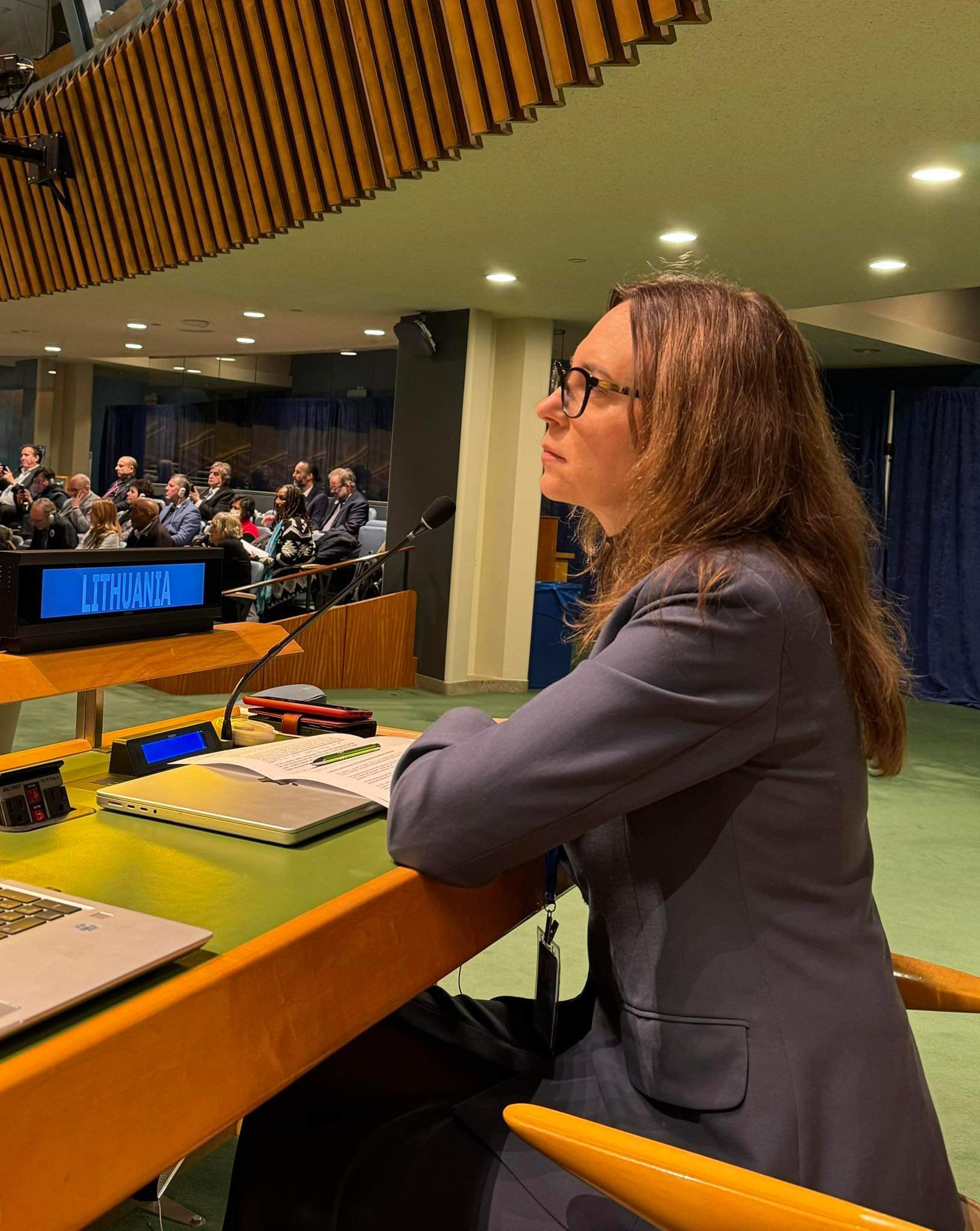
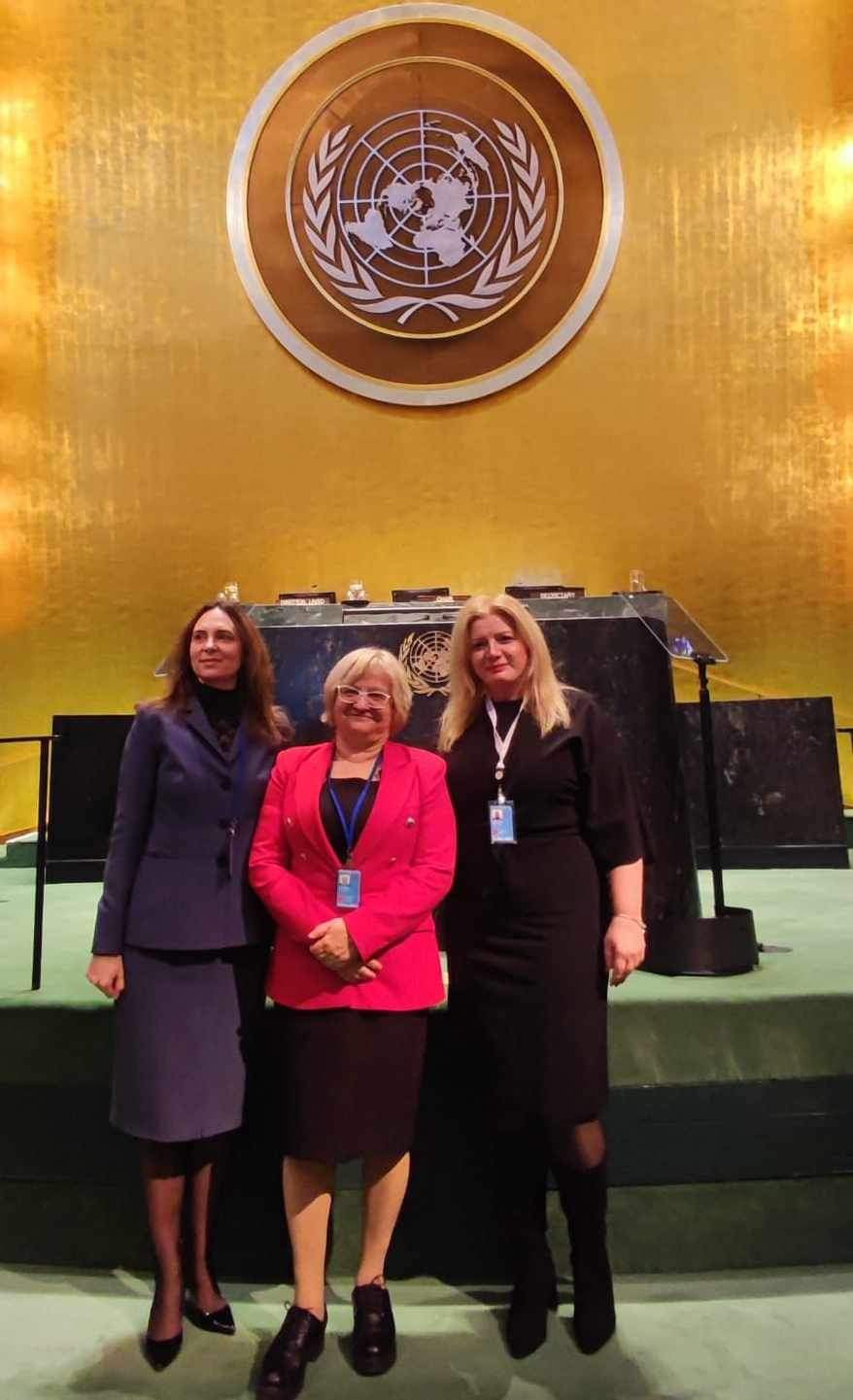
Director General of the State Data Agency (Statistics Lithuania) Dr Jūratė Petrauskienė, who represented the position of Lithuania’s statistics at the UN Statistics session, emphasizes: "National statistical offices should take leadership and a new role by providing value and methodological guidelines to lead public sector data governance as the same processes and methods can and should be applied to managing all state data. Furthermore, we live in turbulent times where local or global crises havealready become part of our daily life. Undoubtedly, decisions to manage them should be born here and now, so retrospective official statistics cannot always answer the questions that arise. By generating enormous amounts of data, the state itself should become capable of meeting the operational informational needs of itself and its citizens. As state statisticians, it is our responsibility to provide guidelines for data empowerment. This is supported by the majority of representatives of European statistical services, and events of such a scale as the annual sessions of the UN Statistical Commission are an excellent opportunity to express the country's position, both formally and informally, to discuss emerging challenges and to "check" whether the ways and methods to achieve goals or solve problems are chosen properly.”
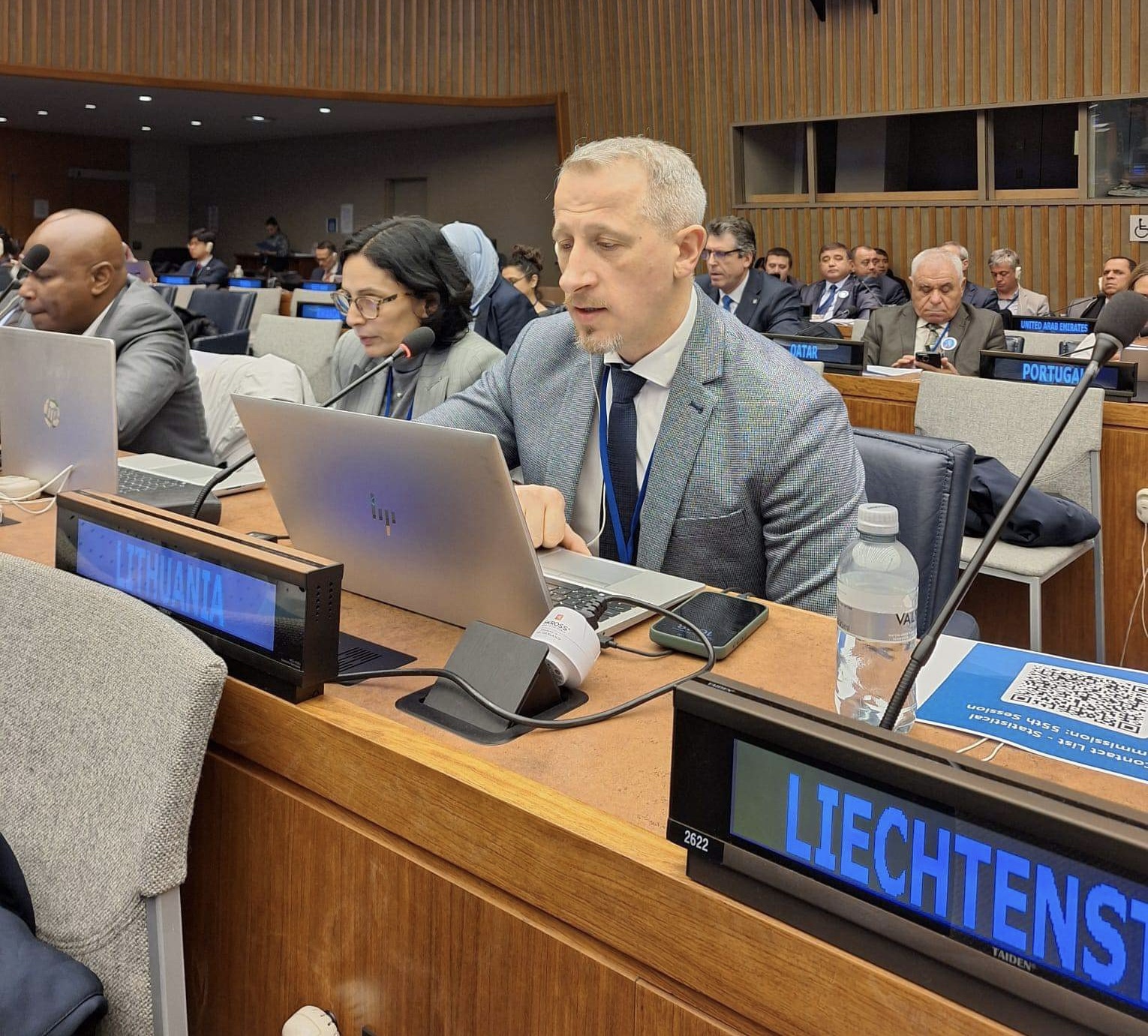
The 55th Session of the UN Statistical Commission "Better data. Better Lives" agenda included such topics as the implementation of the Fundamental Principles of Official Statistics, the 2030 Agenda for Sustainable Development data and indicators, data science and public administration statistics, national and environmental accounts, agriculture and rural areas, social and gender equality, tourism, business and international trade, climate change and regional statistics, as well as international statistical classifiers and open data topics. The members of the European Statistical System, including Lithuania’s statistics, presented a unified position on most of the problematic issues.
One of the most important issues of the session is the development of the UN Statistical Commission and balanced representation of world regions in the United Nations Economic and Social Council (ECOSOC) and related structures. At the 53rd session of the Commission, a resolution was adopted, noting that the current 24 members do not represent all regions of the UN, their membership is insufficient to meet new challenges and functions. The expansion of the number of members is necessary: the number of members from 9 countries in 1945 has expanded to 24 at the moment, but there are 193 UN member countries, so only 12.4 per cent of the members are represented. Furthermore, the range of topics and responsibilities discussed by the UN Statistical Commission has expanded significantly. The countries of the European Statistical System, including Lithuania, approved the proposal, from 2026 to 2028, to increase the number of members in certain stages – from 24 to 54 members.
In addition to the agenda of the main session, delegates were invited to side events. During a special seminar "Data governance in various systems: strategies of official statistics" was discussed. Workshop insights related to citizen science enabled by open public sector data do deserve particular attention. During the COVID-19 pandemic, open data sets have been studied incredibly widely – thus the public has become a kind of "controller" of the decisions made. We continue to pursue the same goal of public engagement and participation in decision-making and evaluation processes by continuing to integrate and open up public sector data. It is the re-use of data, open data and the role of national statistical institutions in this area, and the need to take leadership, that need special consideration. The high-level forum titled "Empowering Official Statistics – Upholding the Fundamental Principles to Stay Relevant" discussed the key principles of official statistics in retrospect and the issues of maintaining trust and shaping the future: how these principles can help statistics quickly overcome challenges and how to seize opportunities in changing data ecosystems, highlighting its role as a reliable and easily adapted source of information.
During the session, representatives of the State Data Agency at the Permanent Mission of Lithuania to the United Nations met with Ambassador Rytis Paulauskas, the Permanent Representative of the Republic of Lithuania to the UN. The leading topic – intentions and opportunities to apply for the UN Statistical Commission.
What is the United Nations Statistical Commission?
The UN Statistical Commission has important mandates within the United Nations system and plays a key role in creating official statistics standards, determining methodological and value guidelines, activity directions and priorities, seeking a coherent and sustainable approach and common understanding between different countries.
Detailed information on the 55th session of the UN Statistical Commission can be found here.
Last updated: 05-03-2024
Related news:
We Invite You to Submit Proposals for the 2027 Official Statistics Programme
OECD and the EU Invite Participation in the International R&D Careers Survey
Another State Data Lake Training Cycle Completed
How to Recognize a Survey Interviewer from the State Data Agency (Statistics Lithuania)?