

Key indicators of Lithuania 2023 presented at the press conference
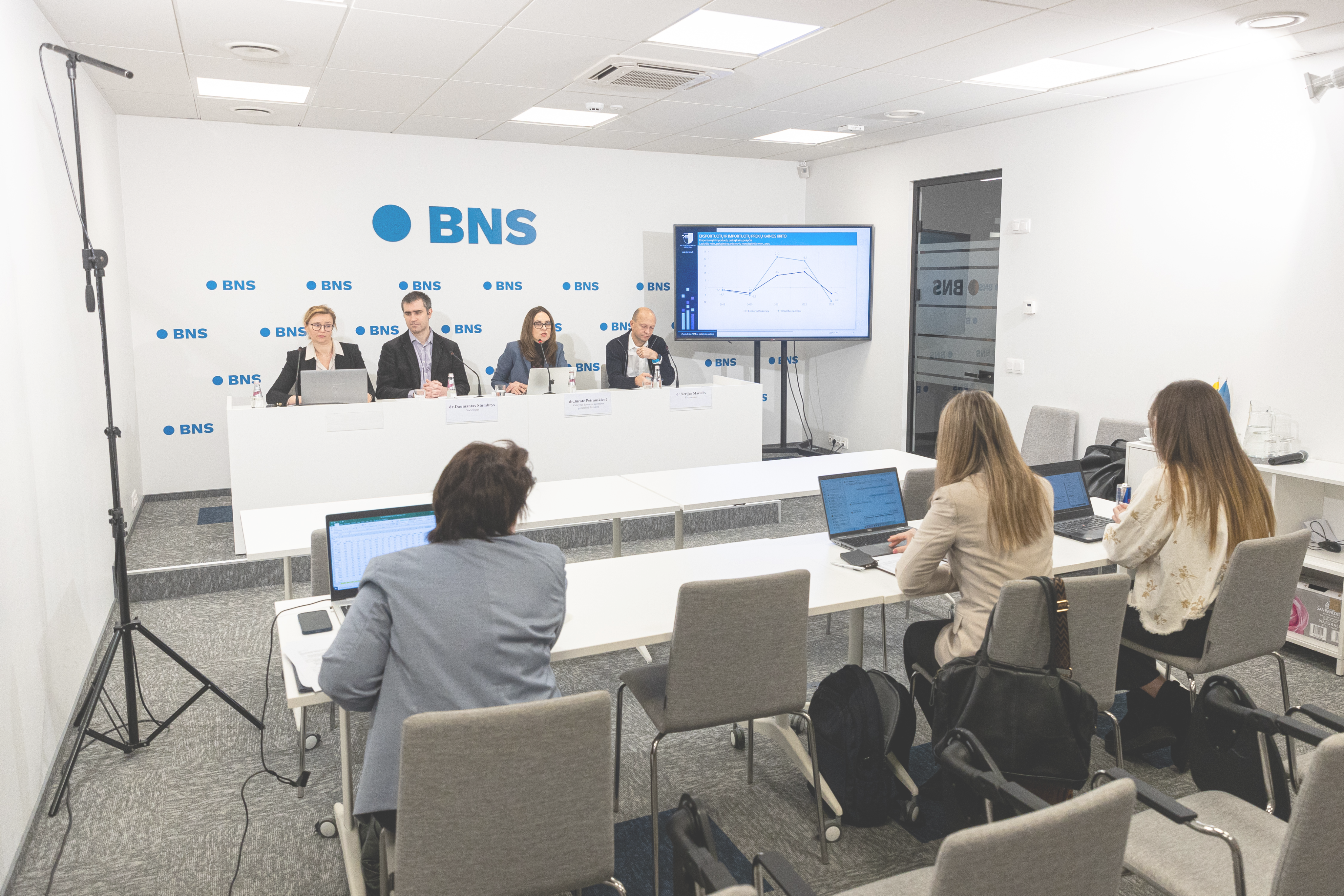
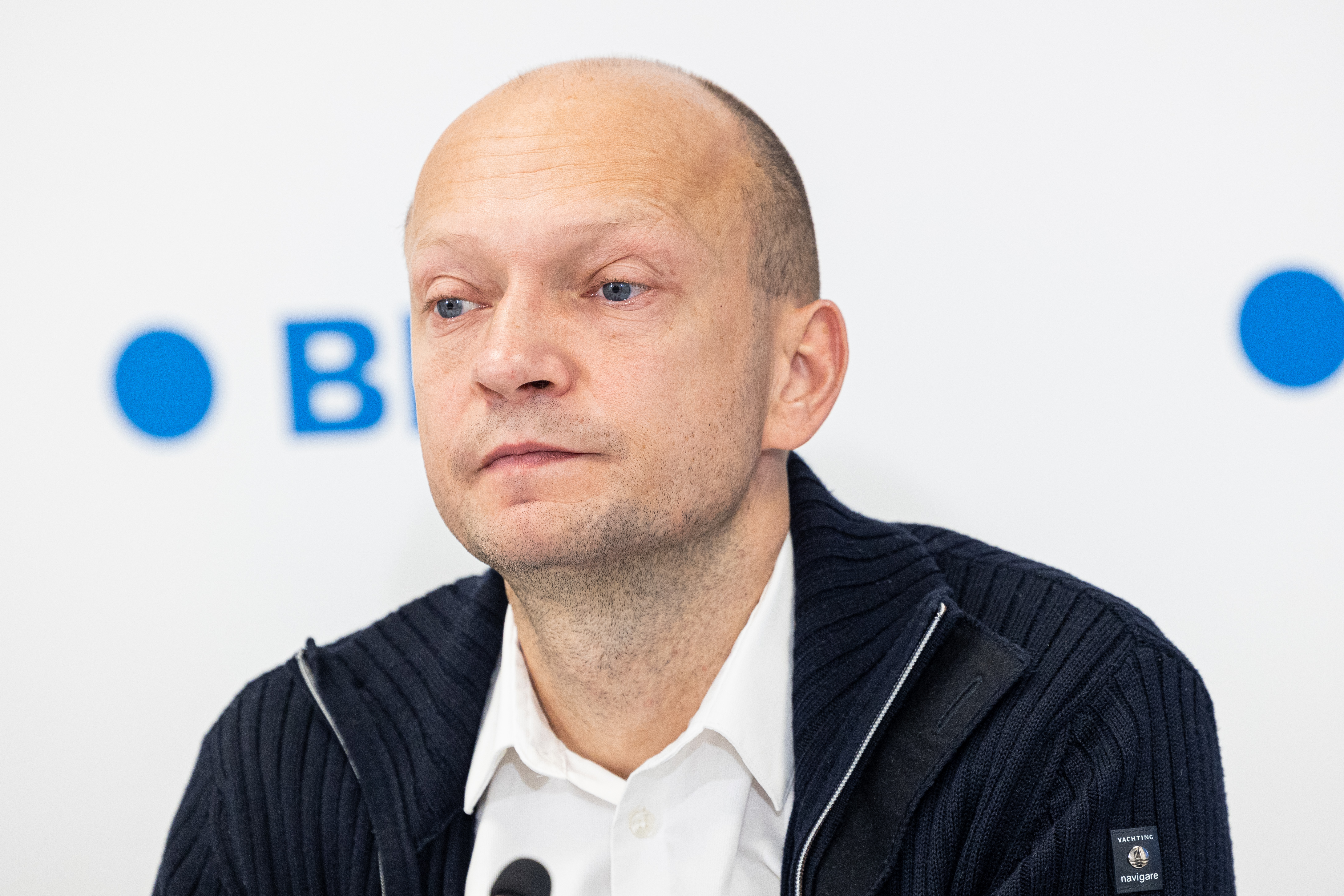
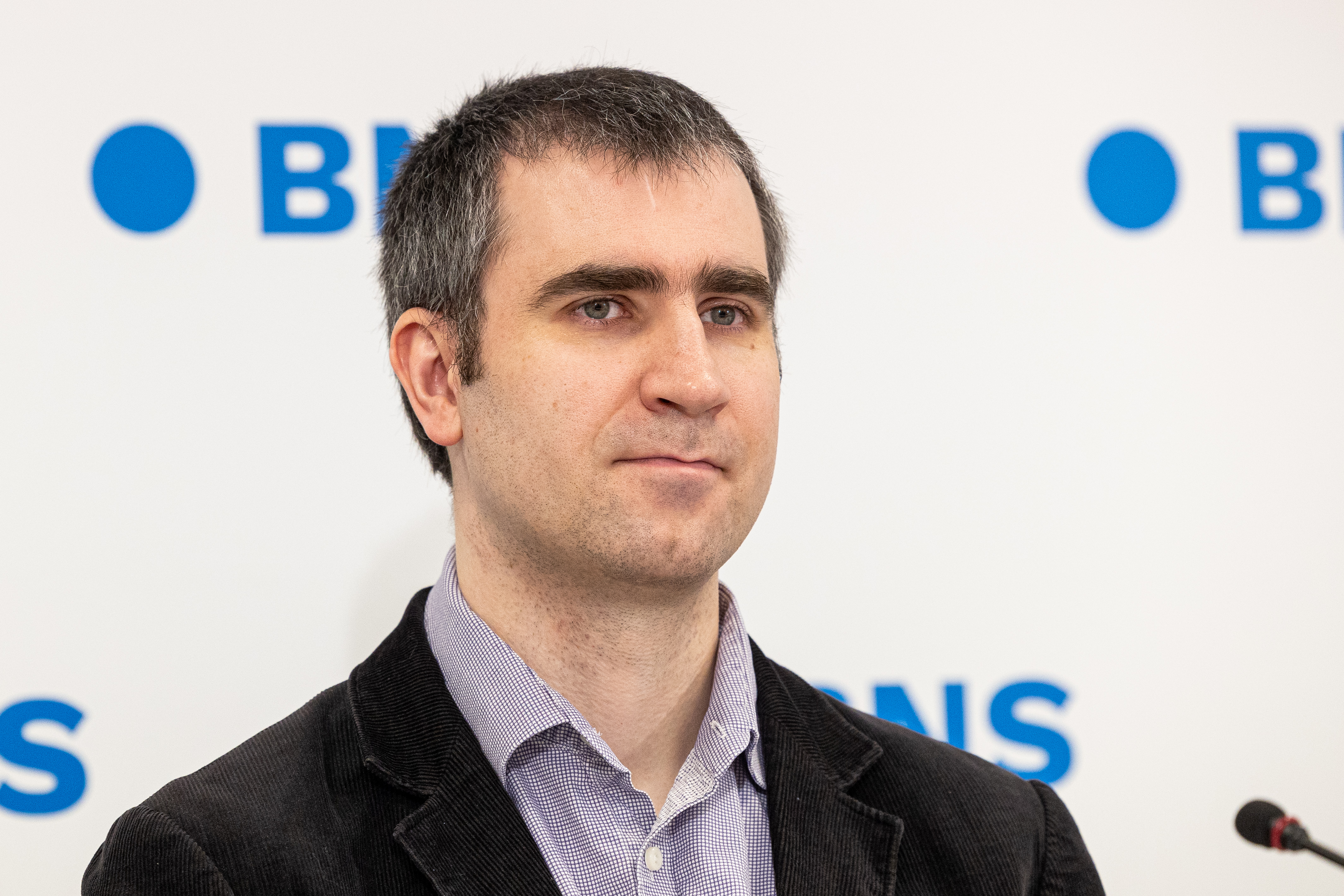
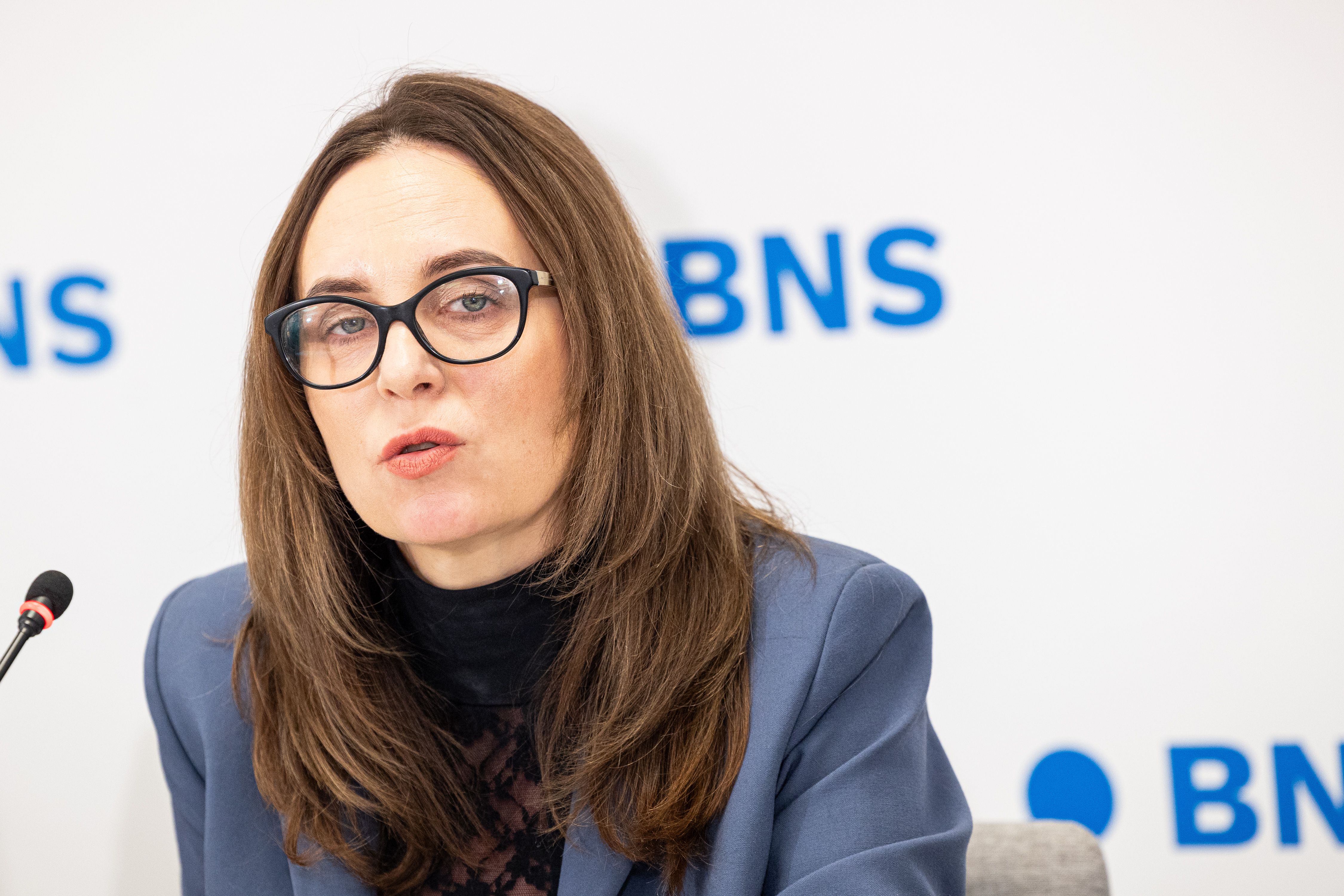
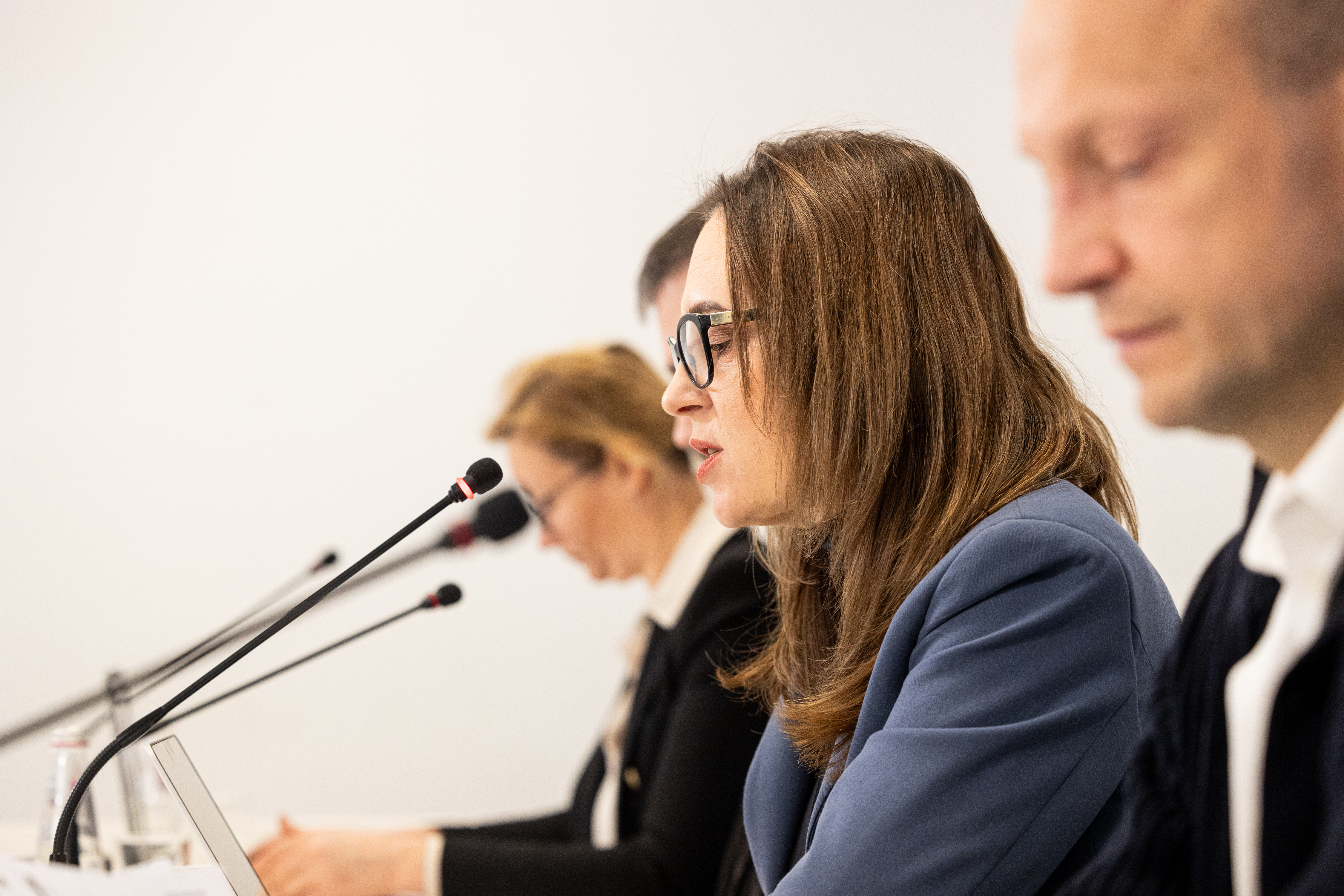
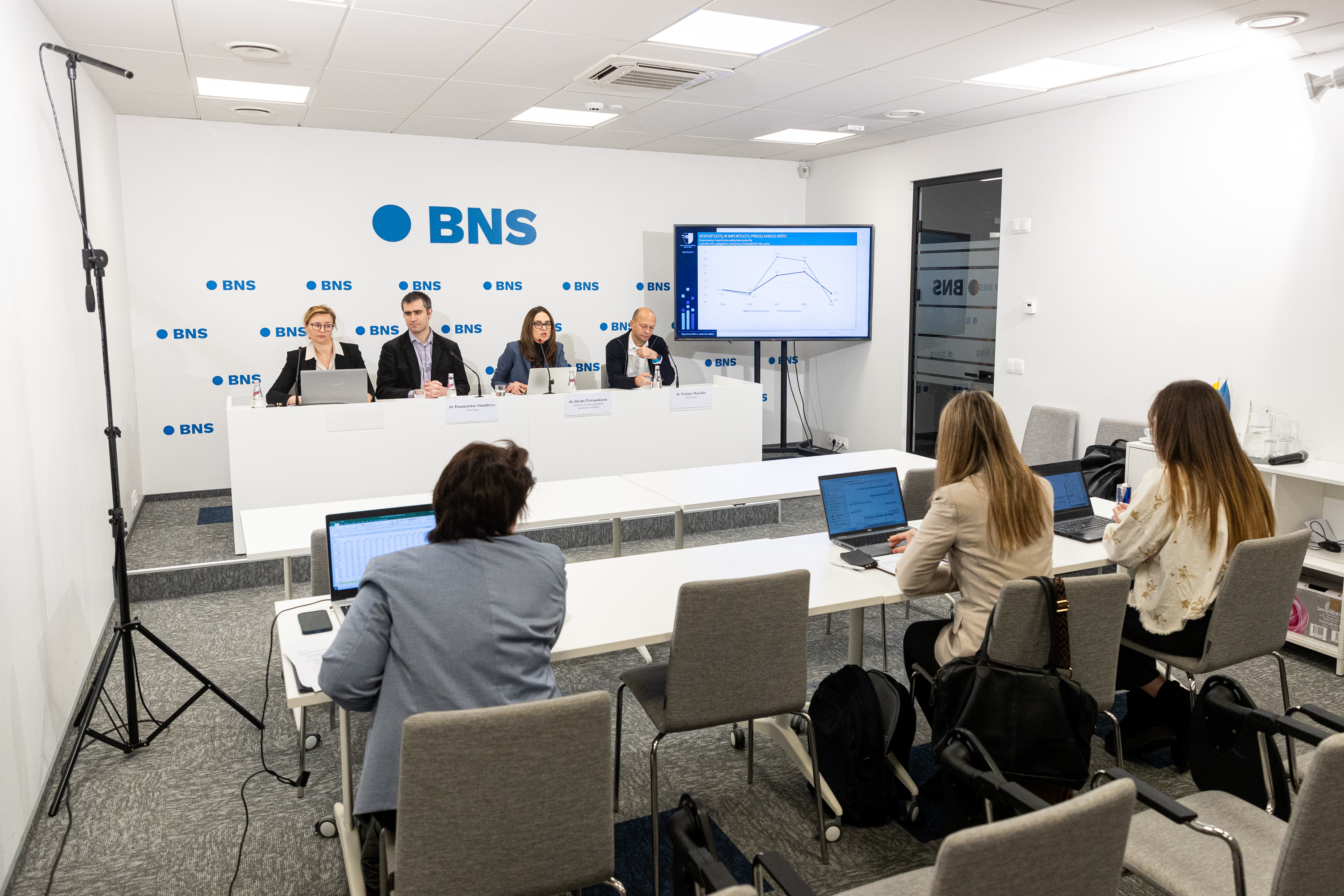
Core socio-economic indicators of the previous year were presented at the annual conference of the State Data Agency (Statistics Lithuania). Dr Jūratė Petrauskienė, Director General of the State Data Agency, presented main indicators, sociologist Dr Daumantas Stumbrys and economist Dr Nerijus Mačiulis shared their insights.
In 2023, gross domestic product (GDP) amounted to EUR 72.1 billion at current prices. Compared to 2022, the real GDP change was negative and stood at -0.3 per cent. The largest negative influence on the GDP annual change was made by performance results of industrial sector enterprises. However, positive results of the activities of construction and service enterprises dampened the fall in GDP. After two years of double-digit price increases for consumer goods and services, in 2023, annual inflation in Lithuania accounted for 1.2 per cent. Over the last year, prices for consumer goods decreased by 1 per cent, while those for consumer services increased by 6.7 per cent.
Based on provisional data, in 2023, against 2022, average gross (before taxes) monthly earnings, individual enterprises included, grew by 12.6 per cent (or EUR 225), and totalled EUR 2,014. Changes in earnings were influenced by the following changes since 1 January 2023: increased minimum monthly wage, increased basic wages for politicians, judges, civil servants, public service employees and employees of budgetary institutions, and other reasons.
As of 1 January 2024, the resident population of Lithuania totalled 2 million 886.5 thousand, which is by 29 thousand (1 per cent) more than a year ago. The change in the resident population in 2023 was influenced by an increase in the number of war refugees from Ukraine and a large number of arrivals from Belarus, Kazakhstan, Kyrgyzstan, Uzbekistan, Tajikistan, etc. that resulted in positive net international migration (the number of immigrants exceeded that of emigrants by 44.9 thousand). Natural population change, as in the previous year, remained negative – in 2023, the number of deaths exceeded that of live births by 15.7 thousand. In 2023, the number of live births totalled 20 thousand, which is by 2 thousand (9.3 per cent) less than in 2022. In 2023, 35.7 thousand deaths were recorded, which is by 7.2 thousand (16.7 per cent) less than in 2022.
In 2023, 22 thousand residents emigrated from Lithuania: 12 thousand foreign citizens and 10 thousand citizens of the Republic of Lithuania. Compared to 2022, the number of emigrants increased by 6.7 thousand (44 per cent). In 2023, 66.9 thousand people immigrated to Lithuania (20.4 thousand or 23.4 per cent less than in 2022), i.e. by 45 thousand more than left the country. In 2023, 75 per cent of all immigrants were foreign citizens, 25 per cent – citizens of the Republic of Lithuania. In 2023, the net international migration of citizens of the Republic of Lithuania was positive: the number of the citizens of the Republic of Lithuania who returned to Lithuania exceeded that of those who left the country by 6 thousand (in 2022, 7.6 thousand more).
Detailed report and all key indicators of our country are available on the Official Statistics Portal.
During the conference, sociologist Dr Daumantas Stumbrys commented on the changes in demography and social structure. It has been observed that the population, which has been decreasing for decades, is stabilizing in recent years. Although the rate of natural population change remains negative (fewer people are born than die), the mortality rate has already reached the pre-pandemic level, and there are more citizens returning to Lithuania than leaving. A very important factor that determined stabilization of the demographic situation is immigration. "We certainly see increased immigration flows, but the question is how sustainable and long-term they are as we know that they are related to the war in Ukraine, to other processes in Belarus, Russia, Ukraine, and other post-Soviet countries," noted the sociologist.
Economist Dr Nerijus Mačiulis reviewed and assessed the economic situation in Lithuania over the last year. Two external forces influencing the processes in Lithuania have been singled out. First, post-pandemic changes in the structure of the country’s economy, when consumers switched from excess consumption of goods to consumption of services – they visited restaurants, concerts, sports clubs, etc. more often. Second, the European Central Bank's high interest rates, which affected different sectors not equally. Although, in 2023, the volume of industry in Lithuania contracted, but the overall assessment of the situation is positive: "Our gross domestic product has grown the most since the beginning of the decade. This shows that the Lithuanian industry has still grown extremely rapidly in the last five years, is competitive and quite diversified", commented N. Mačiulis. Rise in average earnings is forecast to lead to the largest gain in purchasing power this year since 2020, boosting household consumption.
You can find the recording of the conference here.
Last updated: 30-01-2024
Related news:
We Invite You to Submit Proposals for the 2027 Official Statistics Programme
OECD and the EU Invite Participation in the International R&D Careers Survey
Another State Data Lake Training Cycle Completed
How to Recognize a Survey Interviewer from the State Data Agency (Statistics Lithuania)?